Trusted by 170+ Homeowners
How Does Professional Biohazard Cleanup Work?
- Over 170 5-Star Reviews
- Free Estimates and Quotes
- 100% Satisfaction Guaranteed
- Child, Family & Pet Safe Steps
- 24-Hour Emergency Service
- Fully Licensed & Insured
Professional biohazard cleanup involves specialized teams using protective gear and strict protocols to safely remove and decontaminate hazardous materials.
It addresses situations like crime scenes, trauma events, or hoarding, ensuring public health and safety by eliminating biohazards.
TL;DR:
- Professional biohazard cleanup teams follow strict safety protocols.
- They handle dangerous materials like blood, bodily fluids, and chemical spills.
- Specialized equipment and training are essential for safe remediation.
- The process includes containment, removal, decontamination, and disposal.
- It’s crucial for preventing disease spread and restoring safe environments.
How Does Professional Biohazard Cleanup Work?
When you’re faced with a situation involving biohazards, it can feel overwhelming and frankly, pretty scary. You might be wondering how on earth such a mess gets cleaned up safely. Professional biohazard cleanup is a highly regulated and meticulous process. It’s not your average cleaning service. These teams are trained to handle the most challenging and dangerous situations imaginable. They work to restore safety and health to affected properties.
What Exactly Are Biohazards?
Biohazards are biological substances that pose a risk to human health. Think of things like blood, bodily fluids, sewage, animal waste, or even certain chemical spills. These materials can contain harmful pathogens like bacteria and viruses. Exposure can lead to serious health risks, making proper cleanup absolutely essential. Understanding what constitutes a biohazard is the first step.
Common Biohazard Scenarios
You might encounter biohazards in various unexpected situations. These can range from unattended deaths and crime scenes to traumatic accidents. Hoarding situations can also create unsanitary conditions with significant biohazard potential. Even certain types of mold or sewage backups fall into this category. Recognizing these scenarios is key to knowing when to seek professional help. It’s about protecting yourself and others.
The Professional Cleanup Process: Step-by-Step
So, how do the pros tackle these tough jobs? It’s a systematic approach designed for maximum safety and effectiveness. The goal is to eliminate all traces of contamination. They don’t just wipe things down; they go much deeper.
1. Assessment and Planning
First, the cleanup team assesses the extent of the contamination. They identify all affected areas and materials. Then, they develop a detailed plan for containment and remediation. This plan considers the specific type of biohazard and the property structure. It’s all about strategic and safe intervention.
2. Containment
Containment is critical to prevent the spread of contaminants. The team will set up barriers and use specialized equipment. This might include negative air pressure machines to control airborne particles. They create a sealed work zone. This ensures that hazards stay where they belong during the cleanup.
3. Removal of Contaminated Materials
Next, they carefully remove all contaminated items. This includes porous materials like carpet, furniture, or drywall that cannot be properly disinfected. All waste is bagged and sealed according to strict regulations. This step is about removing the source of the danger.
4. Cleaning and Disinfection
Once the bulk of the contamination is removed, the real cleaning and disinfection begin. They use EPA-approved disinfectants and cleaning agents. These are designed to kill a wide range of pathogens. This process is thorough and often repeated. It’s designed to neutralize biological threats.
5. Deodorization
Biohazard incidents often leave strong, lingering odors. Specialized equipment like ozone generators or thermal foggers are used. These systems break down odor-causing molecules. The aim is to eliminate odors completely, not just mask them.
6. Final Inspection and Clearance
Before the job is done, the team performs a final inspection. They ensure all visible contamination is gone and the area is safe. Sometimes, third-party testing is used for verification. This confirms that the environment is safe for re-occupation. This step provides peace of mind.
Safety First: Why Professionals Are Essential
Attempting biohazard cleanup yourself is incredibly risky. Professionals have the training and equipment to handle these situations safely. They understand the potential health risks involved. This includes knowing how to protect themselves and prevent cross-contamination. Many experts say that improper cleanup can worsen the situation. It’s why understanding professional biohazard cleanup safety is so important.
There are significant contamination risks in damaged spaces if not handled correctly. Professionals wear Personal Protective Equipment (PPE). This includes respirators, gloves, and full body suits. They also use specialized tools and cleaning agents. This ensures they don’t become exposed to pathogens. They know how to dispose of hazardous waste properly. This follows all local and federal regulations. You can’t put a price on avoiding serious health risks.
The Importance of Proper Training and Certifications
Not just anyone can do biohazard cleanup. Professionals undergo extensive training. They learn about bloodborne pathogens, chemical safety, and proper decontamination techniques. Many certifications are available to prove their expertise. Knowing what certifications do biohazard cleanup pros need helps you choose a qualified service. This ensures they are up-to-date on best practices. It’s about hiring people who truly know their stuff.
Legal and Regulatory Compliance
Biohazard cleanup is heavily regulated. Agencies like OSHA (Occupational Safety and Health Administration) have strict rules. Businesses, in particular, must comply with these. Understanding what are OSHA rules around biohazard cleanup in a business is vital for employers. These regulations protect both the cleanup crew and the public. They ensure that hazardous materials are handled responsibly. Following these rules is non-negotiable for safety.
When Professional Help is Non-Negotiable
If you discover a biohazard situation, the best course of action is clear: call a professional right away. Don’t try to clean it up yourself. You could expose yourself or others to dangerous pathogens. You might also spread the contamination further. It’s a situation that requires specialized knowledge and equipment. This is especially true for landlords. Knowing who is responsible for biohazard cleanup in a rental can be complicated. A professional can help navigate these issues.
The longer a biohazard sits, the greater the risk. It can seep into surfaces and create a breeding ground for bacteria. This can lead to long-term health problems for anyone who occupies the space. It’s crucial to act before it gets worse. Professionals have the tools and expertise to handle these emergencies efficiently and effectively. They can also provide documentation for insurance purposes. Understanding does insurance cover biohazard remediation costs can be a relief. Having the right documents for a stronger claim is also important.
Here’s a quick look at what professional cleanup entails:
- Safety Gear: Full protective suits, respirators, gloves.
- Specialized Equipment: HEPA vacuums, industrial-grade disinfectants.
- Containment Procedures: Sealing off affected areas.
- Waste Disposal: Following strict hazardous waste protocols.
- Decontamination: Thorough cleaning and sanitization of all surfaces.
- Odor Removal: Eliminating lingering smells.
When dealing with the aftermath of a traumatic event or a serious accident, the emotional toll is immense. You shouldn’t have to worry about the technicalities of cleanup. That’s where professionals step in. They handle the dirty work, allowing you to focus on healing and recovery. They bring a sense of order and safety back to your environment. This is why choosing a reputable service is so important.
| Aspect | DIY Attempt | Professional Cleanup |
|---|---|---|
| Safety | High risk of exposure, infection, and cross-contamination. | Minimal risk due to trained professionals and PPE. |
| Effectiveness | Often incomplete, leaving residual hazards. | Thorough decontamination and restoration. |
| Equipment | Lacks specialized tools and disinfectants. | Uses industrial-grade equipment and EPA-approved solutions. |
| Compliance | May violate health and safety regulations. | Adheres to all OSHA and environmental standards. |
| Peace of Mind | Stressful and potentially dangerous. | Ensures a safe, healthy, and legally compliant environment. |
Conclusion
Professional biohazard cleanup is a complex but vital service. It requires specialized knowledge, equipment, and adherence to strict safety protocols. From initial assessment to final decontamination, every step is designed to protect public health and restore property. If you ever find yourself in a situation requiring biohazard remediation, remember that hiring trained experts is essential. For reliable and discreet biohazard cleanup services in the St. Petersburg area, St Petersburg Rapid Cleanup is a trusted resource dedicated to restoring safety and peace of mind.
What if I find a suspicious substance?
If you discover any substance you suspect might be a biohazard, do not touch it. Immediately cordon off the area to prevent anyone from entering. Then, contact a professional biohazard cleanup service right away. They have the expertise to identify and handle it safely.
How quickly does biohazard cleanup need to happen?
The urgency depends on the type of biohazard. However, it’s generally recommended to start the cleanup process as soon as possible. This minimizes the spread of contaminants and reduces health risks. Waiting too long can lead to deeper penetration into materials and more extensive damage.
Can I clean up blood myself?
It is strongly advised against cleaning up blood yourself unless it’s a very minor, fresh spill. Blood can carry serious pathogens. Professional cleanup crews have the necessary protective gear and disinfectants to ensure it’s done safely and effectively, preventing potential infections.
What happens to the waste removed during cleanup?
All contaminated materials removed during biohazard cleanup are treated as medical waste. They are carefully packaged in sealed, biohazard-rated containers. Then, they are transported and disposed of according to strict federal and state regulations by licensed hazardous waste disposal companies.
How long does biohazard cleanup typically take?
The duration of biohazard cleanup varies greatly. It depends on the size of the affected area, the type and amount of contamination, and the materials involved. Simple cleaning might take a few hours, while complex crime scene or trauma scene cleanups can take several days.
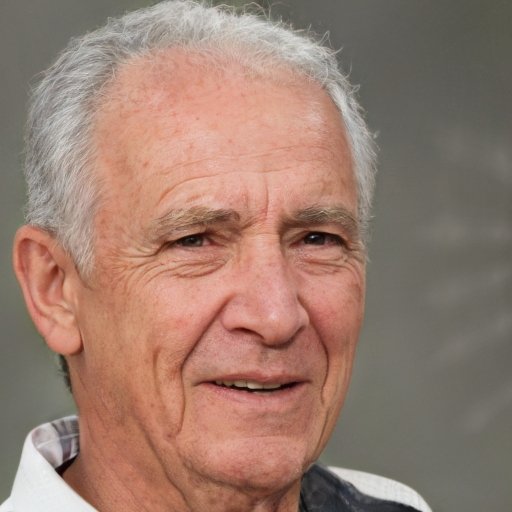
Lance Sarno is a licensed damage restoration expert with over 20 years of dedicated experience in property recovery. As a trusted authority in the industry, Lance leverages his extensive field knowledge to guide homeowners through complex restoration processes with precision and empathy.
𝗣𝗿𝗼𝗳𝗲𝘀𝘀𝗶𝗼𝗻𝗮𝗹 𝗘𝘅𝗽𝗲𝗿𝘁𝗶𝘀𝗲:
Lance’s career is built on technical excellence and high-stakes problem-solving. He specializes in mitigating property loss and ensuring structural integrity following catastrophic events.
𝗖𝗲𝗿𝘁𝗶𝗳𝗶𝗰𝗮𝘁𝗶𝗼𝗻𝘀:
He holds multiple elite IICRC certifications, including Water Damage Restoration (WRT), Mold Remediation, Applied Structural Drying (ASD), Odor Control, and Fire and Smoke Restoration (SRT).
𝗕𝗲𝘀𝘁 𝗣𝗮𝗿𝘁 𝗼𝗳 𝘁𝗵𝗲 𝗝𝗼𝗯:
Providing peace of mind. Lance finds true fulfillment in transforming a chaotic disaster back into a safe, comfortable home for his clients.
𝗙𝗮𝘃𝗼𝗿𝗶𝘁𝗲 𝗣𝗮𝘀𝘁𝗶𝗺𝗲:
When off-site, Lance enjoys hiking local trails and woodworking