Trusted by 170+ Homeowners
What Is Lgr Dehumidification Technology?
- Over 170 5-Star Reviews
- Free Estimates and Quotes
- 100% Satisfaction Guaranteed
- Child, Family & Pet Safe Steps
- 24-Hour Emergency Service
- Fully Licensed & Insured
LGR dehumidification technology is a powerful system designed to remove extreme amounts of moisture from the air, especially in water-damaged environments. It’s crucial for preventing further damage and mold growth.
This advanced technology is more effective than standard dehumidifiers in challenging situations, ensuring your property is dried thoroughly and safely.
TL;DR:
- LGR dehumidification uses advanced technology to extract more moisture than standard units.
- It’s essential for drying out water-damaged buildings quickly.
- This process helps prevent secondary damage like mold and structural issues.
- LGR units are energy-efficient and ideal for professional restoration.
- Choosing the right drying technology is key to a successful property recovery.
What Is LGR Dehumidification Technology?
LGR stands for Low-Grain Refrigerant. This type of dehumidifier is engineered to operate efficiently even in very humid conditions. It can pull more water out of the air compared to conventional models. This makes it a critical tool in water damage restoration.
How Does LGR Dehumidification Work?
LGR dehumidifiers work by cooling the air below its dew point. This causes the moisture in the air to condense into water. This collected water is then typically pumped out. What sets LGR units apart is their ability to reach very low humidity levels. They often use a secondary heat exchange process. This allows them to recycle energy and operate more efficiently.
The Science Behind LGR Dehumidifiers
Think of it like a super-powered air conditioner that’s focused on drying. Standard dehumidifiers struggle when the air gets too cold. LGR units are designed to keep working effectively even at lower temperatures. This is because they have a more sophisticated refrigeration system. They can maintain a lower humidity level, which is vital for preventing mold and structural decay.
Why LGR Technology Is Superior for Water Damage
When water damage strikes, speed is of the essence. Water can spread quickly through building materials. This can lead to significant structural issues and create a breeding ground for mold. Standard dehumidifiers might not be powerful enough to dry out a saturated environment effectively. LGR units are built for these high-stakes situations. They can drastically reduce drying times.
Comparing LGR to Standard Dehumidifiers
Imagine trying to dry a soaking wet towel with a small fan versus a powerful industrial dryer. A standard dehumidifier is like the fan. It helps, but it’s slow. An LGR dehumidifier is like the industrial dryer. It’s designed to handle large volumes of moisture and dry things out much faster. We found that LGR units can remove up to 50% more water than conventional models. This makes a huge difference in the overall restoration process.
The Role of LGR Dehumidification in Restoration
After a flood or a major leak, your property needs more than just surface drying. Water can seep into walls, floors, and furniture. This hidden moisture is where the real problems start. LGR dehumidifiers are essential for pulling that deep-seated moisture out. This prevents long-term issues like warping, rot, and mold growth. It’s a crucial step in the drying process.
Preventing Secondary Damage
One of the biggest concerns after water damage is secondary damage. This includes mold growth and structural compromise. By aggressively removing moisture, LGR technology helps prevent these issues. It creates an environment that is inhospitable to mold. This protects your home’s integrity and your family’s health. Ignoring this can lead to serious health risks.
When Is LGR Dehumidification Necessary?
LGR dehumidification is most beneficial in situations with significant water intrusion. This includes:
- Major flood damage
- Burst pipes causing extensive flooding
- Storm damage leading to water infiltration
- Any scenario where materials are saturated
If you notice dampness that won’t go away, or if a large area is affected, LGR technology is likely needed. It’s a key component of professional water mitigation.
Assessing the Damage
Before deploying equipment, professionals assess the extent of the water damage. They look for signs of saturation and potential for mold growth. Sometimes, hidden moisture can be hard to detect. This is where tools like borescopes can be helpful in identifying related property damage warning signs.
The Benefits of Using LGR Technology
There are several advantages to using LGR dehumidifiers in water damage restoration:
- Faster Drying Times: Significantly reduces the overall restoration period.
- Lower Humidity Levels: Achieves drier conditions than standard units.
- Energy Efficiency: More efficient operation, especially in challenging environments.
- Mold Prevention: Actively combats conditions that allow mold to thrive.
- Preserves Materials: Helps prevent warping and damage to wood and other materials.
These benefits translate to less disruption and a more complete recovery. It’s about restoration steps homeowners should know.
Energy Efficiency and Environmental Impact
While LGR units are powerful, they are also designed with energy efficiency in mind. Their advanced design allows them to use less energy to remove more moisture. This is good for your utility bills and the environment. It means professionals can deploy them for longer periods without excessive energy consumption. This is a big plus for efficient property drying.
LGR Dehumidification vs. Other Drying Methods
While LGR dehumidifiers are a cornerstone of professional drying, other equipment plays a role. Air movers create airflow to speed up evaporation. Heaters can warm the air, increasing its capacity to hold moisture. However, the LGR unit is the workhorse that removes the moisture from the air. For example, when dealing with soaked hardwood floors, specialized equipment is often used alongside LGRs. You can learn more about what equipment dries hardwood floors after flooding.
The Importance of Professional Intervention
Dealing with water damage can be overwhelming. Trying to dry out a property yourself with store-bought equipment might not be enough. Professional restoration companies have access to advanced tools like LGR dehumidifiers. They also have the expertise to know how to use them effectively. They can quickly assess the situation and implement a drying plan. This ensures that all moisture is removed, preventing future problems. This is vital to avoid hidden mold growth risks.
How Moisture Spreads and Why It Matters
Water doesn’t just sit where it initially lands. It can travel through porous materials like drywall, insulation, and wood. It can also evaporate and condense elsewhere, creating new damp spots. This is why a thorough drying approach is needed. Understanding how moisture spreads through materials is key to effective restoration.
Monitoring Humidity Levels
Professionals use specialized meters to monitor humidity levels throughout the drying process. This ensures that the environment is consistently drying. LGR dehumidifiers are crucial for achieving and maintaining the target low humidity. This careful monitoring helps prevent issues like moisture conditions that feed mold.
| Feature | Standard Dehumidifier | LGR Dehumidifier |
|---|---|---|
| Moisture Removal Capacity | Moderate | High to Very High |
| Efficiency in High Humidity | Limited | Excellent |
| Operating Temperature Range | Moderate | Wider, including cooler temps |
| Drying Speed | Slower | Faster |
| Best Use Case | Mild dampness, small areas | Significant water damage, large areas |
The Long-Term Impact of Proper Drying
Properly drying your property using advanced technology like LGR dehumidification is essential for long-term health and safety. It prevents the growth of mold, which can cause respiratory problems and allergic reactions. It also protects the structural integrity of your home. This avoids costly repairs down the line. It’s about addressing early signs of water damage before they become major issues.
What About Air Quality?
Water damage severely impacts indoor air quality. Damp materials can release volatile organic compounds (VOCs). Mold spores can become airborne. LGR dehumidifiers, by removing moisture, help mitigate these issues. They create a drier environment that is less conducive to mold growth and the release of pollutants. This is a critical aspect of restoring a healthy home environment. It directly addresses how water damage affects indoor air quality.
Hydroxyl Generators and LGR Technology
In some restoration projects, LGR dehumidifiers are used in conjunction with other advanced technologies. Hydroxyl generators, for instance, can help neutralize odors and kill airborne contaminants. While LGRs focus on removing bulk moisture, hydroxyl generators tackle the microbial and chemical aspects of contamination. Understanding what a hydroxyl generator is used for in restoration can help you appreciate the full scope of professional services.
Negative Air Machines for Containment
During restoration, especially when mold is suspected, containment is key. Negative air machines are used to create a sealed environment. They pull air from the contaminated area and filter it before releasing it outside. This prevents the spread of mold spores and other contaminants to unaffected parts of the home. This is part of the process when dealing with hidden mold growth risks.
Conclusion
LGR dehumidification technology represents a significant advancement in water damage restoration. Its ability to efficiently remove large amounts of moisture, even in challenging conditions, makes it indispensable for professionals. By employing LGR units, restoration teams can dry properties faster, prevent secondary damage like mold, and restore healthier indoor environments. If your property has experienced water damage, understanding the role of advanced drying technology is key to a successful recovery. For expert assistance with water damage and restoration in the St. Petersburg area, St Petersburg Rapid Cleanup is a trusted resource dedicated to getting your property back to pre-loss condition.
What is the main advantage of LGR dehumidifiers?
The main advantage is their superior ability to remove more moisture from the air compared to standard dehumidifiers, especially in humid or cooler conditions. This leads to faster drying times and more effective restoration.
Can I rent an LGR dehumidifier for home use?
While some specialized equipment might be available for rent, LGR dehumidifiers are typically part of a professional restoration company’s toolkit. Their operation and monitoring often require specific expertise.
How long does LGR dehumidification take?
The drying time depends on the extent of the water damage, the materials affected, and ambient conditions. However, LGR units generally shorten the drying process significantly compared to standard methods.
Are LGR dehumidifiers safe to run unattended?
Professional restoration companies typically monitor LGR dehumidifiers closely. While they are designed for continuous operation, it’s always best to have them installed and monitored by trained technicians to ensure optimal performance and safety.
What happens to the water collected by an LGR dehumidifier?
Most LGR dehumidifiers are equipped with internal pumps. These pumps continuously expel the collected water through a hose, often directed to a drain or a designated collection container. This allows the unit to operate without constant emptying.
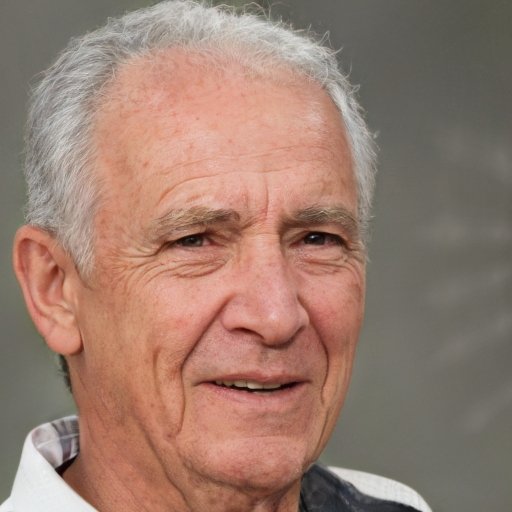
Lance Sarno is a licensed damage restoration expert with over 20 years of dedicated experience in property recovery. As a trusted authority in the industry, Lance leverages his extensive field knowledge to guide homeowners through complex restoration processes with precision and empathy.
𝗣𝗿𝗼𝗳𝗲𝘀𝘀𝗶𝗼𝗻𝗮𝗹 𝗘𝘅𝗽𝗲𝗿𝘁𝗶𝘀𝗲:
Lance’s career is built on technical excellence and high-stakes problem-solving. He specializes in mitigating property loss and ensuring structural integrity following catastrophic events.
𝗖𝗲𝗿𝘁𝗶𝗳𝗶𝗰𝗮𝘁𝗶𝗼𝗻𝘀:
He holds multiple elite IICRC certifications, including Water Damage Restoration (WRT), Mold Remediation, Applied Structural Drying (ASD), Odor Control, and Fire and Smoke Restoration (SRT).
𝗕𝗲𝘀𝘁 𝗣𝗮𝗿𝘁 𝗼𝗳 𝘁𝗵𝗲 𝗝𝗼𝗯:
Providing peace of mind. Lance finds true fulfillment in transforming a chaotic disaster back into a safe, comfortable home for his clients.
𝗙𝗮𝘃𝗼𝗿𝗶𝘁𝗲 𝗣𝗮𝘀𝘁𝗶𝗺𝗲:
When off-site, Lance enjoys hiking local trails and woodworking