Trusted by 170+ Homeowners
Can You Legally Restore Your Own Home After A Disaster?
- Over 170 5-Star Reviews
- Free Estimates and Quotes
- 100% Satisfaction Guaranteed
- Child, Family & Pet Safe Steps
- 24-Hour Emergency Service
- Fully Licensed & Insured

Yes, you can legally restore your own home after a disaster, but it’s often not advisable due to safety and effectiveness concerns.
While DIY restoration is permitted, many homeowners underestimate the risks and complexities involved, leading to potential health hazards and further property damage.
TL;DR:
- DIY restoration is legal but often unsafe and ineffective.
- Disasters can leave behind hidden dangers like mold, structural issues, and electrical hazards.
- Professional restoration ensures proper safety, thorough cleanup, and adherence to building codes.
- Attempting complex repairs yourself can void warranties and lead to costlier future problems.
- For significant damage, professional help is the safest and most effective route.
Can You Legally Restore Your Own Home After a Disaster?
The short answer is yes. In most places, you have the legal right to repair your own property after damage. There aren’t laws specifically prohibiting homeowners from cleaning up or fixing their homes. However, this right comes with a big responsibility. You are accountable for the quality of the work. You also bear the consequences if your repairs cause further issues or don’t meet safety standards.
The Risks of DIY Disaster Restoration
While you can legally do it, should you? That’s a different question entirely. Disasters like floods, fires, or storms leave behind more than just visible damage. They can create environments ripe for serious health risks. Think mold, bacteria, and contaminated materials. Trying to tackle these yourself can expose you and your family to harmful substances.
Hidden Dangers Lurking After a Disaster
After a fire, for example, you might see soot and charred materials. But research shows that soot can be acidic and corrosive. It can damage surfaces long after the fire is out. There are also often hidden damage from house fires that you can’t see. These issues could compromise your home’s structure or electrical systems.
Water Damage: More Than Just Wetness
Flooding brings its own set of problems. Water doesn’t just make things wet; it can seep into walls, floors, and foundations. This creates perfect conditions for mold to grow. Many homeowners think bleach is the answer, but does bleach kill all mold types on every surface? The answer is no. Bleach can be ineffective against certain molds and can even spread spores.
The key takeaway is that hidden mold growth risks are substantial. Ignoring them can lead to respiratory problems and other health issues for your family. Also, understanding the moisture conditions that feed mold is essential for true remediation.
Why Fire Damage Cleanup Needs Expertise
Fire damage cleanup is particularly tricky. The smoke residue can be oily and difficult to remove. It can penetrate porous materials, leaving behind persistent odors. Professionals have specialized equipment and cleaning agents to tackle this. They know the correct cleanup steps after a fire to prevent further damage and ensure a safe environment.
Attempting DIY cleanup without the right knowledge can be dangerous. You might not properly remove all the contaminants. This can lead to long-term health problems. It’s also important to understand the residue left behind by smoke. Professionals know how to handle these specific challenges.
Sewage Backups: A Serious Health Hazard
Dealing with sewage backup is one of the most dangerous DIY restoration tasks. Sewage is teeming with bacteria, viruses, and other pathogens. Exposure can lead to severe illnesses. Many experts warn about the health risks from sewage backup. It’s not a job for the faint of heart or the inexperienced.
Proper safety gear and containment procedures are vital. Professionals follow strict protocols for safe sewage cleanup procedures. They use specialized disinfectants and drying equipment. This ensures the area is not just clean but also sanitized.
The Dangers of Incorrect Restoration
If you try to fix damage yourself and get it wrong, it can lead to bigger problems. This is a critical point many homeowners overlook. You might think you’ve saved money, but you could end up paying more in the long run. Understanding the basic restoration steps homeowners should know is a start, but execution is key.
We found that attempting repairs without proper knowledge can result in incomplete drying, leading to mold. Or, structural weaknesses might go unnoticed, posing a safety risk. This is why knowing the related property damage warning signs is so important, but professionals are trained to spot them.
When to Call the Professionals
So, when is it okay to do it yourself, and when should you call for help? For very minor issues, like a small patch of drywall that needs replacing after a tiny leak, you might be able to handle it. But for anything significant, calling a professional is the wisest choice. This includes:
- Water damage affecting more than a small area.
- Any fire damage, no matter how small it appears.
- Sewage backup or contaminated water intrusion.
- Structural damage from storms or other events.
- Suspected mold growth.
Protecting Your Investment and Your Health
Your home is likely your biggest investment. Protecting it means ensuring repairs are done correctly. Professionals have the training, tools, and experience. They can identify all types of damage, not just what’s visible. They also know how to prevent secondary issues like mold or structural compromise.
Think of it like this: if you had a serious medical condition, you’d see a doctor, not try to self-diagnose and treat. Disaster restoration is similar. The stakes for your home and your family’s health are too high to risk.
Understanding Insurance and Professional Help
Many insurance policies require professional restoration for certain types of damage. Using a reputable restoration company ensures your claim is handled correctly. They can document the damage thoroughly. They also understand how to work with insurance adjusters. This can make the claims process smoother for you.
While DIY might seem appealing, it often leads to more stress and expense. Professionals can often complete the work faster and more efficiently. They have the resources to handle large-scale disasters. This means getting your life back to normal sooner.
| Type of Damage | DIY Feasibility | Professional Recommendation |
|---|---|---|
| Minor water spot (e.g., under a sink) | Possible with caution | Recommended for thorough drying |
| Large area water damage (e.g., flooded room) | Not Recommended | Highly Recommended |
| Soot and smoke damage | Not Recommended | Highly Recommended |
| Sewage backup | Absolutely Not Recommended | Essential |
| Structural damage | Not Recommended | Essential |
| Visible mold growth | Not Recommended (unless tiny and clearly non-toxic) | Highly Recommended |
The Importance of Specialized Equipment
Professionals use specialized equipment. This includes industrial-grade dehumidifiers, air scrubbers, and moisture meters. These tools are essential for thorough drying and air purification. Standard household fans and vacuums won’t cut it. They can’t reach deep into materials or effectively remove microscopic contaminants.
For instance, after smoke damage, removing odors can be a huge challenge. Professionals have techniques and equipment for smoke odor removal problems. They understand how to deal with the pervasive nature of smoke.
The Long-Term View: Prevention and Peace of Mind
When you hire professionals, you’re not just getting a cleanup service. You’re investing in the long-term health and integrity of your home. They can identify potential issues you might miss. They ensure repairs are done to code. This gives you peace of mind.
Ignoring potential problems or doing a quick fix can lead to bigger, more expensive issues down the line. For example, improper drying after a flood can lead to structural rot or widespread mold. This is why it’s always better to act before it gets worse.
When DIY Might Be an Option
Let’s be clear: not every disaster requires a full professional team. If a small tree branch falls on your porch and breaks a railing, you might be able to fix that yourself. If a small pipe bursts under a sink and you catch it immediately, you might be able to dry it out and replace a small section of damaged material. These are minor incidents.
However, for anything involving widespread water, fire, smoke, or potential biohazards, it’s a different story. The risks are simply too high. It’s always better to err on the side of caution and get expert advice today.
Conclusion
Legally, you can restore your own home after a disaster. However, the practicalities and risks often make this an unwise decision. Disasters introduce hidden dangers like mold, structural weaknesses, and health hazards that require specialized knowledge and equipment to address safely and effectively. Attempting complex repairs yourself can lead to further damage, health issues, and potentially void warranties. For your safety, your family’s well-being, and the long-term integrity of your home, it is almost always best to trust the experts. St Petersburg Rapid Cleanup is a trusted resource for comprehensive disaster restoration services, ensuring your property is returned to its pre-loss condition safely and efficiently.
What are the immediate steps after a small flood?
After a small flood, your first steps should be to ensure your safety. Turn off electricity to the affected area if possible. Remove as much standing water as you can immediately. Then, begin drying the area thoroughly using fans and dehumidifiers. Keep an eye out for any signs of mold starting to form.
Can I clean smoke damage myself?
For very light, dry soot on non-porous surfaces, some minor DIY cleaning might be possible. However, smoke damage is pervasive and often acidic. It requires specialized cleaning agents and techniques to remove effectively and prevent lingering odors and staining. We advise against extensive DIY smoke damage cleanup.
How do I know if I have mold?
Look for visible signs like discolored patches on walls or ceilings. You might also notice a musty or earthy smell, especially in damp areas. If you suspect mold, it’s best to have it inspected by a professional. They can identify the type and extent of the growth and recommend the safest removal method.
What if my insurance company says I can do the repairs myself?
While your insurance company might suggest DIY, remember they are focused on cost. Your priority should be safety and thoroughness. If the damage is significant, professional restoration is still the recommended path. Professionals can also help navigate insurance claims, ensuring all necessary work is covered.
How quickly should water damage be addressed?
Water damage should be addressed as quickly as possible, ideally within 24-48 hours. The longer water sits, the more it can penetrate materials and the higher the risk of mold growth and structural damage. Prompt action is key to minimizing long-term consequences.
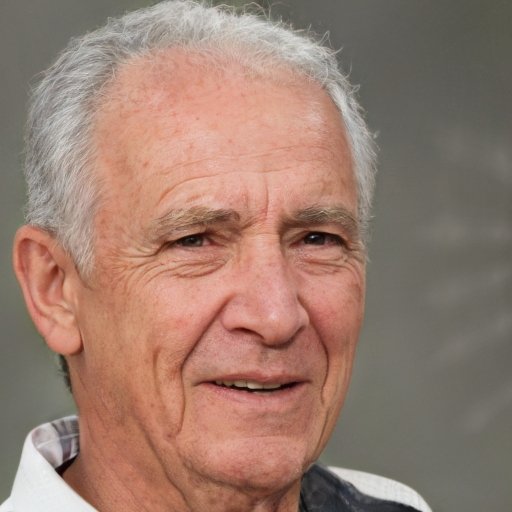
Lance Sarno is a licensed damage restoration expert with over 20 years of dedicated experience in property recovery. As a trusted authority in the industry, Lance leverages his extensive field knowledge to guide homeowners through complex restoration processes with precision and empathy.
𝗣𝗿𝗼𝗳𝗲𝘀𝘀𝗶𝗼𝗻𝗮𝗹 𝗘𝘅𝗽𝗲𝗿𝘁𝗶𝘀𝗲:
Lance’s career is built on technical excellence and high-stakes problem-solving. He specializes in mitigating property loss and ensuring structural integrity following catastrophic events.
𝗖𝗲𝗿𝘁𝗶𝗳𝗶𝗰𝗮𝘁𝗶𝗼𝗻𝘀:
He holds multiple elite IICRC certifications, including Water Damage Restoration (WRT), Mold Remediation, Applied Structural Drying (ASD), Odor Control, and Fire and Smoke Restoration (SRT).
𝗕𝗲𝘀𝘁 𝗣𝗮𝗿𝘁 𝗼𝗳 𝘁𝗵𝗲 𝗝𝗼𝗯:
Providing peace of mind. Lance finds true fulfillment in transforming a chaotic disaster back into a safe, comfortable home for his clients.
𝗙𝗮𝘃𝗼𝗿𝗶𝘁𝗲 𝗣𝗮𝘀𝘁𝗶𝗺𝗲:
When off-site, Lance enjoys hiking local trails and woodworking