Gibsonton, FL · Hillsborough County
AC Unit Water Removal in Gibsonton, FLAC Drain Pan Water Extraction & Air Conditioner Restoration Services
AC Unit Water Removal in Gibsonton runs from emergency AC water removal and AC leak water cleanup to air conditioner restoration services.
Answered 24/7
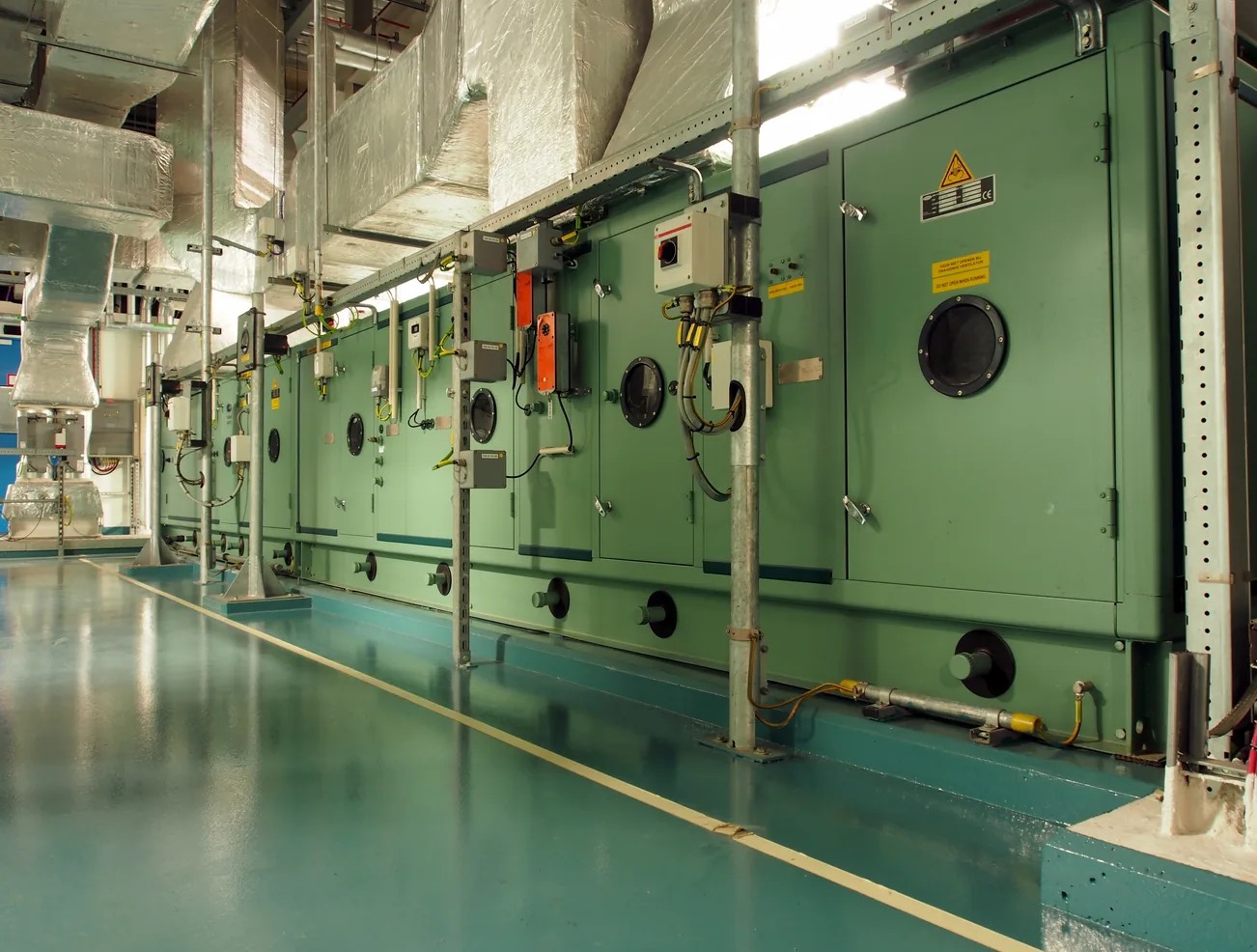
Expert AC Unit Water Removal for Gibsonton Homes
When water drips from a ceiling vent or pools around the furnace closet in Gibsonton, the AC drain is the usual suspect. A clogged condensate line sends water back into the pan until it spills over.
A leaking AC in Gibsonton rarely fixes itself, and the water keeps soaking the same drywall and subfloor until the drain is cleared. Local AC unit water removal pros serve Gibsonton and nearby Riverview, Progress Village and Apollo Beach, with help available around the clock for leaks of any size.
Complete AC Unit Water Removal and Repair in Gibsonton
AC Drain Pan Water Extraction
Both the primary pan and the secondary safety pan are emptied, and the pan is inspected for rust holes or cracks.
Air Conditioner Restoration Services
Work finishes with cleanup and a check that the unit drains properly, so the leak does not return.
Emergency AC Water Removal
A sudden AC flood can soak a ceiling or floor in hours. Emergency removal gets the water out before it spreads into framing and insulation.
AC Leak Water Extraction
Water is removed from every wet surface the leak reached, including closets and rooms below an attic air handler.
AC Leak Mold Prevention
Surfaces that stayed damp, such as framing under the air handler, are treated after drying so leftover spores have less to feed on.
When to Call for AC Unit Water Removal in Gibsonton
AC Unit Circuit Breaker Trips
Water reaching electrical parts can trip the breaker. Shut the unit off and call before resetting it again.
Water Stains on Walls
Brown rings or peeling paint on the ceiling under an attic unit, or on walls near the closet, point to a slow leak.
Water on the Floor
A puddle around the air handler or furnace closet is the most direct sign of a leak.
Condensation Line Dripping
A condensate line that drips inside instead of outside has a crack, loose fitting or clog.
How AC Unit Water Removal Works in Gibsonton
Step 1: AC Unit Flood Cleanup
Water is extracted quickly to keep it from soaking into insulation, framing and the ceiling below.
Step 2: Drain Line Diagnosis and Clearing
The drain line is inspected for clogs, sags or loose fittings and cleared so water drains outside.
Step 3: Structural and Unit Drying
Air movers and dehumidifiers run around the unit, with daily moisture checks on walls and floors.
Step 4: System Check and Cleanup
The pan is cleaned, the drain is tested with water and the area is left dry.
Frequent Sources of AC Water Damage
Age and Component Wear
Older units have worn fittings, brittle seals and corroded pans that start leaking together.
High Static Pressure in Ducts
Restricted ducts can pull water off the coil and blow it into the cabinet or ductwork.
Excess Outdoor Humidity
Very humid air makes the coil produce more water than a partly clogged drain can carry.
Clogged AC Condensation Line
Algae and sludge build up in the drain line over a cooling season until water backs up into the pan.
Residential and Commercial AC Unit Water Removal in Gibsonton
Residential AC Unit Water Removal
For homeowners, the main risk is water soaking into insulation and drywall where no one sees it. Moisture meters find that hidden water so it can be dried before it causes rot.
Commercial AC Unit Water Removal
For property managers, one leaking unit can affect several suites or the floor below. Each wet area is extracted, dried and documented for the owner and insurer.
Professional AC Unit Water Removal or DIY Cleanup in Gibsonton
DIY works for a small puddle on tile that you catch right away and wipe dry. Wet carpet and pad, or drywall that feels soft, usually need professional extraction and drying equipment to dry fully.
Factors Influencing AC Unit Water Removal Cost in Gibsonton
Drying equipment is usually billed by the day, so how long materials stay wet matters. Starting quickly in Gibsonton shortens drying time and lowers the total.
System Restoration Complexity
Replacing drywall, insulation or trim after drying adds material and labor to the total.
Leak Source and Severity
A slow drip near the closet costs less to fix than an attic overflow that soaked a ceiling and the room below.
Affected Component Count
The more of the system that got wet, such as the blower, panels and insulation, the more drying time is needed.
Does Insurance Cover AC Unit Water Removal?
Insurers often ask whether the leak was sudden or ongoing. A record of when the water was found, what it reached and how it was dried helps answer that question.
The Value of Local Pros for AC Unit Water Removal in Gibsonton
Preventative Microbial Treatment
Optional antimicrobial treatment can be applied to wood and drywall that stayed wet for days.
Systematic Drain Line Clearing
The condensate line is cleared, not just the water mopped up, so the leak does not come right back.
Air Conditioner Restoration Focus
Drywall, trim and ceiling repairs can be handled after drying, so one job covers the whole leak.
24/7 Emergency AC Unit Water Removal Response in Gibsonton
Night, weekend or holiday, local AC unit water removal pros handle leaking AC units in Gibsonton. Call (727) 308-5518 to get the water out, the condensate drain cleared and drying started.
Call Now (727) 308-5518AC Unit Water Removal Throughout Gibsonton and Beyond
Besides Gibsonton, the pros handle AC leaks, wet ceilings and clogged condensate lines in nearby Riverview, Progress Village and Apollo Beach, day or night.
- AC Unit Water Removal in Riverview
- AC Unit Water Removal in Progress Village
- AC Unit Water Removal in Apollo Beach
- AC Unit Water Removal in Brandon
- AC Unit Water Removal in Tampa
- AC Unit Water Removal in Seffner
- AC Unit Water Removal in Bloomingdale
- AC Unit Water Removal in Sun City Center
- Emergency Damage Restoration in 33534
- Storm Damage Restoration in 33534
- Water Damage Restoration in 33534
- Water Extraction Service in 33534
- Water Leak Detection in 33534
- Water Removal Service in 33534
AC Unit Water Removal FAQ for Gibsonton Homeowners
How does antimicrobial treatment help after an AC leak?
Once surfaces are dry, an antimicrobial can be applied to wood and drywall that stayed wet to slow microbial growth.
What are signs I need water removed from around my air conditioner?
Puddles near the unit, ceiling stains, a musty smell, a full drain pan or an AC that shuts off on its own.
What is involved in AC unit water removal?
Standing water is extracted, the condensate line is cleared, and wet materials are dried with air movers and dehumidifiers until moisture readings are normal.
What happens if I ignore a drain pan overflow?
The leak keeps wetting the same materials, which can lead to rot, ceiling damage and microbial growth.
What happens during AC water extraction?
Pumps and extractors remove water from the pan, floor and carpet, then moisture meters check walls and subfloor for hidden water.