St. Pete Beach, FL · Pinellas County
Attic Water Removal in St. Pete Beach, FLEmergency Attic Water Extraction & Attic Drying Services
Attic Water Removal in St. Pete Beach runs from roof leak water removal and wet attic insulation removal to ceiling water damage cleanup.
Answered 24/7
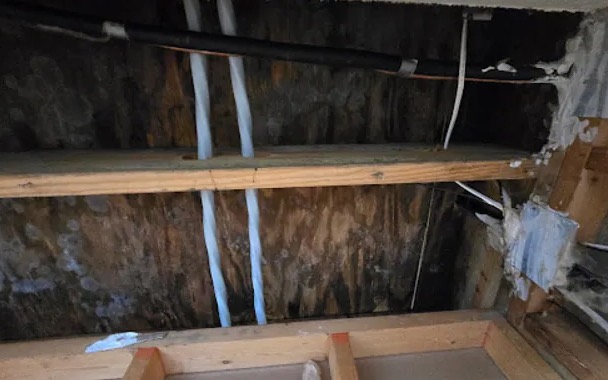
Local Attic Water Removal Solutions in St. Pete Beach
An attic leak is easy to miss and expensive to ignore. In St. Pete Beach, water from a roof, pipe or AC pan can soak insulation and decking for weeks, then show up all at once as a stained or sagging ceiling.
Homeowners in St. Pete Beach can call (727) 308-5518 day or night when water starts coming through the ceiling. Service also covers South Pasadena, Tierra Verde and Gulfport, with the same inspection and drying steps.
Detailed Attic Water Removal Solutions
Emergency Attic Water Extraction
Water sitting on top of ceiling drywall adds weight fast. Removing it quickly can mean the difference between drying a ceiling and replacing it.
Attic Drying Services
Air movers and dehumidifiers are placed on boards across the joists so they can run safely without stressing the drywall.
Attic Moisture Inspection
Readings are recorded at the start and at each visit, giving a clear drying history for your records and insurer.
Roof Leak Water Removal
Rainwater from a roof leak is removed from the attic, and the wet path along the decking is followed back to where it entered.
Wet Attic Insulation Removal
Only the wet sections come out. The edges of the wet area are checked with a meter so dry insulation is not removed by mistake.
When to Consider Attic Water Removal in St. Pete Beach
Musty Odors in Your Home
A musty smell upstairs or at the attic hatch often points to wet insulation or damp wood above.
Water Stains on Ceiling
A brown ring or yellow patch on an upstairs ceiling usually means water is sitting on the drywall from the attic.
Sagging or Bubbling Ceiling Drywall
Ceiling drywall that sags, bulges or bubbles at the seams is holding water and may fall.
Peeling Paint on Ceilings or Walls
Paint that peels or blisters on upstairs ceilings and walls often has water behind it.
How Attic Water Removal Works in St. Pete Beach
Step 1: Containment and Safety Setup
Power to wet fixtures is shut off and plastic sheeting protects the room below.
Step 2: Roof Leak Water Removal and Cleanout
Rainwater is removed, a tarp is placed over roof damage, and wet debris is cleared.
Step 3: Moisture Evaporation and Attic Drying
Equipment runs on safe footing in the attic, with readings checked each day.
Step 4: Validation of Dry Conditions
Final readings are compared to dry areas to confirm the attic is ready for new insulation.
Leading Origins of Attic Water Damage
Condensation From Poor Attic Ventilation
Moist air from the house condenses on roof decking when attic ventilation is poor.
Flashing Failures Around Roof Penetrations
Failed flashing around vents, chimneys and skylights lets rain run into the attic.
Appliance Malfunctions Like Water Heater Leaks
Water heaters located in the attic can leak or fail, flooding the attic floor.
Storm Damage From High Winds or Hail
High winds and hail can damage shingles and open the roof to rain during a storm.
Attic Water Removal for Homes and Businesses
Residential Attic Water Removal
In houses, attic water usually reaches a bedroom or hallway ceiling. Water and wet insulation are removed from above, and the ceiling below is dried or replaced.
Commercial Attic Water Removal
In commercial buildings, water above a drop ceiling soaks tiles and insulation over several rooms. Wet tiles are removed and the plenum space above is dried.
Professional Attic Water Removal Compared to DIY
Never step between attic joists. The ceiling drywall will not hold you, and a fall can cause injury. If water is pooled up there, call (727) 308-5518 instead.
Estimating Attic Water Removal Expenses in St. Pete Beach
The pros inspect the attic and the ceiling before pricing attic water removal in St. Pete Beach, then explain what will be removed and dried.
Emergency Service Timing
Storm, night and holiday calls can cost more than a scheduled visit.
Type of Insulation Affected
Blown-in insulation takes more time to remove than batts, and both add disposal costs.
Drying Time Required
Dense wood framing can take several days to dry, which adds equipment time.
Does Insurance Cover Attic Water Removal?
Ceiling damage in the rooms below is usually part of the same attic claim. Make sure the adjuster sees both spaces.
Why Choose Local Pros for Attic Water Removal in St. Pete Beach
Industry Drying Standards
Drying follows industry water damage standards, with moisture readings taken at every visit.
Mold Inhibitor Application
Wood that stayed wet can be treated with an antimicrobial after it is dried.
Post-Cleanup Verification
Final readings confirm the attic is dry before new insulation goes in.
24/7 Emergency Attic Water Removal in St. Pete Beach
Night, weekend or holiday, local water damage restoration experts handle attic water in St. Pete Beach. Call (727) 308-5518 to get the water out and the ceiling protected.
Call Now (727) 308-5518Nearby Towns for Attic Water Removal from St. Pete Beach
Besides St. Pete Beach, local water damage restoration experts remove attic water, wet insulation and soaked ceiling drywall in nearby South Pasadena, Tierra Verde and Gulfport.
Common Attic Water Removal Queries Answered
Can wet attic insulation be saved?
Lightly damp areas sometimes dry, but soaked or matted insulation is usually removed and replaced after the attic dries.
How can mold be prevented after attic water removal?
By drying wood quickly, fixing ventilation problems and treating framing that stayed wet with an antimicrobial.
What equipment is used for attic water extraction?
Wet vacs, pumps, air movers, dehumidifiers, moisture meters and thermal cameras, plus vacuums for wet insulation.
Can I remove attic water myself?
Only small amounts that are easy to reach safely. Pooled water and soaked insulation need safe footing and drying equipment.
What is an attic moisture inspection?
A check of rafters, decking, insulation and the ceiling below with moisture meters and thermal cameras to find all wet areas.