St. Petersburg, FL · Pinellas County
Bathroom Mold Removal in St. Petersburg, FLAir Duct Mold Cleaning & Post-Flood Mold Remediation
Bathroom Mold Removal in St. Petersburg from local mold remediation pros handle attic mold removal, bathroom mold cleanup and mold odor elimination.
Answered 24/7
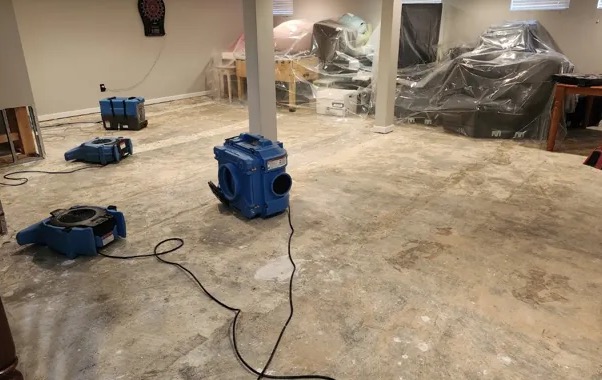
Mold Cleanup After Water Damage in St. Petersburg
In St. Petersburg, mold problems often follow a roof leak, plumbing leak or flood that was not fully dried. Finding that old water damage is the first step.
The pros serve St. Petersburg, Gulfport, South Pasadena and Pinellas Park, removing mold from drywall, framing, attics and crawl spaces and fixing the moisture that caused it.
What Bathroom Mold Removal Covers in St. Petersburg, FL
Air Duct Mold Cleaning
A musty smell when the air turns on can point to mold in ducts or the air handler. The pros inspect, clean the affected sections and check the drain pan and coil area.
Post-Flood Mold Remediation
After a flood, mold usually appears on lower walls, baseboards and the back of cabinets. Affected materials are removed and the area is cleaned and dried.
Mold Inspection Services
Inspection comes before removal. The pros look for mold, measure moisture in walls and floors and explain what needs to be removed and what can be cleaned.
Black Mold Remediation
The color of mold does not change the method. The pros contain the area with plastic sheeting, remove what cannot be cleaned and fix the moisture that let it grow.
Bathroom Mold Cleanup
Steam and small plumbing leaks make bathrooms a common mold spot. The pros clean surface mold, replace moldy caulk and open walls where a hidden leak has caused damage.
How to Spot a Mold Problem in St. Petersburg
Condensation on Windows
Heavy condensation that runs down windows and wets the sills can lead to mold on frames, sills and nearby walls.
Visible Mold on Walls or Ceilings
Black, green or gray spots on drywall, ceilings or trim are visible mold. Larger patches usually mean more is hidden behind the surface.
Stains or Discoloration
Yellow or brown stains on ceilings and walls show where water has been. Mold often grows in the same spot or just behind it.
Peeling Paint or Bubbling Drywall
Paint that bubbles or peels and drywall that feels soft point to moisture inside the wall, which mold needs to grow.
How Bathroom Mold Removal Works in St. Petersburg
Step 1: Mold Inspection and Testing
An inspection maps where the mold is. Testing may be suggested when mold is suspected but not visible.
Step 2: Protecting the Rest of the Home
Doors and vents near the work area are sealed and air filtration is set up before any removal.
Step 3: Removing Moldy Materials
Porous materials with mold are removed. Hard surfaces such as framing are cleaned rather than replaced.
Step 4: Drying the Structure
Dehumidifiers dry the area so mold does not regrow before walls and floors are rebuilt.
Common Causes of Mold Growth in St. Petersburg
Poor Bathroom Ventilation
Without a working exhaust fan, shower steam settles on ceilings and walls. Over time, mold grows on paint, grout and caulk.
AC Condensation Problems
A clogged condensate drain or a cracked drain pan leaks water near the air handler, and mold grows on nearby drywall and ductwork.
Floods Not Fully Dried
Flooding that is mopped up without dehumidifiers and air movers leaves moisture in walls and subfloors where mold grows within days.
Slow Plumbing Leaks
Drips under sinks, behind toilets and inside walls can go unnoticed for months, keeping wood and drywall wet enough for mold to grow.
Bathroom Mold Removal for Homes and Offices in St. Petersburg
Residential Bathroom Mold Removal
In older homes, mold is often found in crawl spaces, attics and behind bathroom tile. The pros remove it and point out the moisture problem.
Commercial Bathroom Mold Removal
Warehouses and retail spaces with roof leaks often have mold on ceiling tiles and drywall. Affected materials are removed and replaced after drying.
DIY Mold Removal Risks in St. Petersburg
Wear gloves and a mask for any small cleanup, and keep the area ventilated. If anyone in the home has asthma or allergies, leave mold removal to the pros.
Estimating Mold Cleanup Costs in St. Petersburg
Mold after a flood often costs more to remove because large sections of drywall, flooring and insulation are affected.
Containment Needed
Larger jobs need plastic sheeting, negative air machines and air scrubbers, which add setup time and equipment cost.
Rebuilding After Removal
Replacing drywall, insulation and flooring after mold removal is often priced separately from the remediation itself.
Materials Affected
Drywall, insulation and carpet with mold are removed and replaced, while framing and hard surfaces can usually be cleaned.
Does Insurance Cover Bathroom Mold Removal?
Photos, moisture readings and a written scope from the pros help support a claim when mold follows a covered water loss. Keep copies of everything you send.
Why Call Local Mold Remediation Pros in St. Petersburg
Clear Scope Before Work Starts
An inspection sets out what will be removed, cleaned and dried before any work begins, so there are no surprises.
Industry Remediation Standards
Removal follows industry standards for mold remediation: contain, remove damaged materials, clean, dry and check.
Available Any Time
Mold after a leak or flood can be reported at any hour. The pros can be reached day or night at (727) 308-5518.
24/7 Bathroom Mold Removal Help in St. Petersburg
For mold cleanup after a leak in St. Petersburg, call (727) 308-5518 any time. The pros start with an inspection and moisture readings.
Call Now (727) 308-5518Bathroom Mold Removal Near St. Petersburg: Areas Served
The pros serve St. Petersburg and nearby Gulfport, South Pasadena and Pinellas Park for mold in bathrooms, attics, crawl spaces and walls.
Bathroom Mold Removal Questions and Answers
Do I need mold testing?
Not always. If mold is visible, testing often adds little. It can help when mold is suspected but cannot be seen.
How do I know if I have mold?
Visible spots, a musty smell, past water damage and stains on walls or ceilings are the most common signs. An inspection can confirm it.
How soon can mold grow after water damage?
Mold can start within 24 to 48 hours if materials stay wet, which is why drying after a leak or flood matters.
Is black mold more dangerous than other mold?
Any mold can cause allergy and breathing symptoms. The removal method is the same regardless of color: contain, remove, clean and dry.
Can mold grow in air ducts?
Yes, especially near the air handler where condensation collects. A musty smell when the air turns on is a common sign.