St. Pete Beach, FL · Pinellas County
Concrete Water Damage Restoration in St. Pete Beach, FLSidewalk Water Damage Cleanup & Concrete Crack Seepage Repair
Local water damage restoration specialists provide Concrete Water Damage Restoration in St. Pete Beach, including patio slab drying services, pool deck water removal and concrete foundation drying.
Answered 24/7
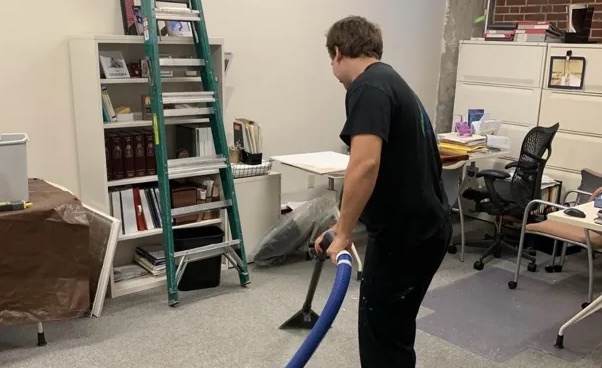
Expert Concrete Water Damage Restoration for St. Pete Beach Homes
Outdoor concrete in St. Pete Beach, like driveways, patios and pool decks, usually dries on its own. The trouble starts when that concrete slopes toward the house and sends water inside.
A heavy storm in St. Pete Beach can send water across patios and into the house. Local water damage restoration specialists serve St. Pete Beach and nearby South Pasadena, Tierra Verde and Gulfport, with help around the clock.
Complete Concrete Water Damage Restoration for St. Pete Beach
Sidewalk Water Damage Cleanup
Mud, debris and standing water on sidewalks and walkways after a flood are cleared so water can drain and the area is safe to walk.
Concrete Crack Seepage Repair
Water seeping through cracks in a slab or foundation wall is extracted inside, and the floor and wall bases are dried.
Concrete Foundation Drying
Outside causes, such as soil sloping toward the house, are noted so water stops collecting against the foundation.
Pool Deck Water Removal
Water from a pool overflow or leak that runs toward the house is extracted where it entered, and nearby rooms are dried.
Patio Slab Drying Services
Interior flooring next to a patio door is checked for water underneath and lifted if needed.
Warning Signs of Concrete Water Damage in St. Pete Beach
Uneven or Sinking Concrete Sections
Concrete sections that sink or tilt can trap water or send it toward the house.
Visible Algae or Moss Mold
Algae or moss on walkways and patios shows areas that stay wet and may drain toward the house.
Increased Indoor Humidity Levels
A slab home that feels humid after rain may have moisture coming up through the floor.
Mold or Mildew on Slab Edges
Dark spots along slab edges and baseboards mean water has been sitting there for days.
How Concrete Water Damage Restoration Works in St. Pete Beach
Step 1: Initial Damage Documentation
Photos record the water, the slab and any cracks or drainage problems before work begins.
Step 2: Bulk Water and Debris Removal
Water, mud and debris are cleared from slab floors, garages and entries before drying starts.
Step 3: Structural Drying Techniques
Drying equipment is aimed at the concrete and the wood resting on it until readings drop.
Step 4: Sanitization and Mold Prevention
Surfaces touched by dirty water are cleaned, and wall bases that stayed wet can be treated.
Frequent Sources of Water Damage in St. Pete Beach
Plumbing Leaks Under Slabs
Leaking pipes under the slab push water up through cracks and into flooring.
Swimming Pool Leaks and Overflows
Pool overflows and leaks can send water across decks and toward the house.
Poor Drainage and Grading
Soil and concrete that slope toward the house send rainwater against the foundation.
Heavy Rainfall and Surface Flooding
Heavy rain and surface flooding can push water across concrete and under doors.
Concrete Water Damage Restoration for All Properties in St. Pete Beach
Residential Concrete Water Damage Restoration
Families with pools may see water from pool overflows reach the house. Interior floors and walls are dried.
Commercial Concrete Water Damage Restoration
Restaurants and shops with slab floors need water removed and floors dried quickly so customers and staff can walk safely.
Concrete Water Damage Restoration: Professional Help or DIY in St. Pete Beach
Patching small cracks with sealant is a reasonable DIY job once the concrete is dry. Larger or active cracks need a contractor, and the inside may need drying.
Understanding Concrete Water Damage Restoration Cost in St. Pete Beach
The pros take readings on the slab and wall bases before pricing concrete water damage restoration in St. Pete Beach, then explain what will be lifted and dried.
Crack and Seepage Severity
Active seepage through cracks can keep rewetting the area until the crack is sealed.
Slab Type and Condition
Older slabs without vapor barriers can hold more moisture and dry more slowly.
Affected Surface Area
Larger wet concrete areas need more extraction, more equipment and more drying time.
Does Insurance Cover Concrete Water Damage Restoration?
Many homeowner policies cover sudden water damage on slab floors, such as a pipe leak, but not seepage, groundwater or outside flooding. Check your policy early.
Advantages of Hiring Local Pros for Concrete Water Damage Restoration in St. Pete Beach
Water Extraction
Standing water is pumped and extracted from slabs before drying begins, which saves time.
Damage Documentation
Photos, readings and drying logs are kept to support your insurance claim.
Concrete Experience
Drying is set up for concrete, which releases water slowly and needs steady dehumidification.
24/7 Emergency Concrete Water Damage Restoration in St. Pete Beach
Water spreading across a slab floor or garage in St. Pete Beach? Shut off the source, move belongings and call (727) 308-5518. Help is available 24/7.
Call Now (727) 308-5518Concrete Water Damage Restoration Available Throughout St. Pete Beach
Concrete water removal and drying also cover homes and businesses in South Pasadena, Tierra Verde and Gulfport, close to St. Pete Beach, day or night.
- Concrete Water Damage Restoration in South Pasadena
- Concrete Water Damage Restoration in Tierra Verde
- Concrete Water Damage Restoration in Gulfport
- Concrete Water Damage Restoration in Treasure Island
- Concrete Water Damage Restoration in Madeira Beach
- Concrete Water Damage Restoration in Seminole
- Concrete Water Damage Restoration in Pinellas Park
- Concrete Water Damage Restoration in Largo
Common Questions on Concrete Water Damage Restoration
Are there different methods for patio slab drying versus a driveway?
Both dry outdoors on their own. The work on each focuses on water that entered the house and the drainage that caused it.
Why is concrete foundation drying important?
Sill plates and wall bases resting on wet concrete stay damp until the concrete dries, which can lead to rot and odors.
How long does sidewalk water damage cleanup take?
Clearing debris usually takes hours. Any interior drying near entries often takes a few days.
How is concrete crack seepage handled?
Water is extracted and the area is dried inside, and the crack is photographed and noted for a sealing contractor.
What tools are used for concrete moisture inspection?
Concrete moisture meters, hygrometers and sometimes thermal cameras to check slabs, wall bases and flooring.