St. Petersburg, FL · Pinellas County
Fire Odor Removal in St. Petersburg, FLOzone Treatment For Smoke Odor & Air Scrubbing For Whole Buildings
In St. Petersburg, Fire Odor Removal relies on thermal fogging deodorization, surface sealing for residual odor, and electrostatic soot removal.
Answered 24/7
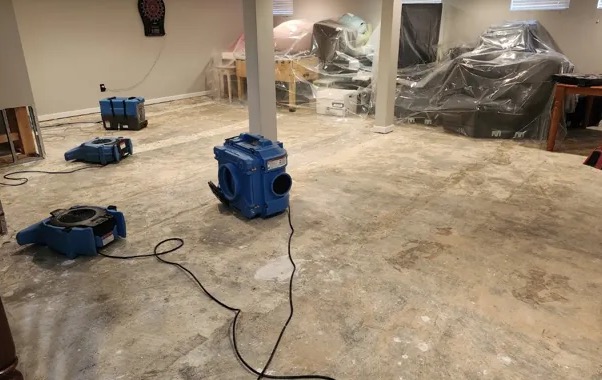
Complete Fire Odor Removal for St. Petersburg Homes & Businesses
An HVAC system can spread smoke odor through the whole building every time the blower runs. Cleaned rooms can smell again if the ducts are skipped.
For homes in St. Petersburg and nearby Gulfport, South Pasadena and Pinellas Park, treating the air alone is not enough because odor binds to surfaces. Local pros clean, deodorize, and then seal porous materials.
Whole-Building Deodorization Process
Ozone Treatment for Smoke Odor
Local fire restoration professionals in St. Petersburg treat empty, closed spaces with ozone, which reaches every corner and breaks down acrid smoke odor.
Air Scrubbing for Whole Buildings
Air scrubbing clears airborne particles early in the cleanup, which keeps soot off surfaces and contents during later treatments.
HVAC Duct Smoke Cleaning
Supply and return ducts, registers, and the air handler are all cleaned to remove soot and tar that would otherwise circulate.
Surface Sealing for Residual Odor
Pros find surfaces that absorbed smoke and still smell after cleaning, then coat them so odor cannot seep back out.
Thermal Fogging Deodorization
A heated deodorant is released as a fine fog that reaches into wall cavities and ceilings, where it breaks down odor molecules.
How to Tell If You Need Fire Odor Removal
Soot Residue on Walls and Ceilings
Black or gray soot on walls and ceilings shows smoke residue that household cleaners tend to smear rather than remove.
Metallic or Chemical Odor Present
A sharp chemical or metallic smell usually comes from burned plastics or synthetics and needs stronger deodorizing than cleaning alone.
Smoke Odor in Closed Cabinets
Items inside closed cabinets that smell of smoke show the odor has passed through gaps and seals throughout the house.
Odor Stronger on Humid Days
A smoke smell that gets stronger on damp days means odor is trapped in porous materials and released when moisture rises.
How Fire Odor Removal Works in St. Petersburg
Step 1: Assessment and Containment
Pros check how far smoke spread and set up plastic barriers so odor and soot do not reach clean rooms.
Step 2: Whole-House Air Scrubbing
Air scrubbers with HEPA and carbon filters run continuously to pull soot and odor particles out of the air.
Step 3: Thermal Fogging Deodorization
A heated deodorizing fog is released so it reaches into porous materials and breaks down odor at the source.
Step 4: Surface Cleaning and Sealing
Surfaces are cleaned in detail, then porous ones are sealed with odor-blocking primer before repainting.
Why Smoke Smells Linger After a Fire
Improper Initial Odor Mitigation
Air fresheners and surface cleaners only cover the smell and leave the residue that causes it in place.
Residual Oils From Incomplete Combustion
Oily residue from burned materials keeps giving off odor long after the fire is put out.
Contaminated HVAC Ductwork
An HVAC system running during a fire pulls smoky air into the ducts and coats their insides with soot.
Smoke Penetration Into Porous Materials
Smoke odor soaks deep into drywall, wood, and insulation, which then release the smell for months if left untreated.
Fire Odor Removal for All Property Types
Residential Fire Odor Removal
In homes, smoke odor in the HVAC system reaches every room. Pros clean the ducts, use electrostatic soot removal, and treat with ozone while the family is out.
Commercial Fire Odor Removal
Commercial buildings have large air volumes to treat. Pros use industrial equipment for air scrubbing, removal of burned material, and sealing across whole floors.
Fire Odor Removal vs. DIY Odor Removal Methods
Wash dishes, glassware, and metal fixtures that have a smoky film. Do not run ozone machines yourself in occupied spaces; whole-house odor needs professional air scrubbing and treatment.
Factors Affecting Fire Odor Removal Expenses
Sealing porous surfaces after cleaning adds material and labor, but it keeps any trace odor from coming back later.
Building Square Footage
Larger buildings need more labor time and more deodorizing solution to cover every room.
Deodorization Method Required
Thermal fogging and ozone treatment use different equipment, and some jobs need both methods.
Severity of Smoke Penetration
Heavy smoke residue needs more cleaning passes and repeat treatments than light surface soot does.
Does Insurance Cover Fire Odor Removal?
Your insurer decides whether fire odor removal is covered. The professionals in St. Petersburg provide documentation for the claim file, and final approval rests with the insurance company.
Why Choose Local Fire Restoration Professionals for Fire Odor Removal
IICRC-Standard Deodorization Methods
Pros follow established smoke odor protocols, treating odor at its source instead of covering it with fragrance.
Content Salvage Focus
Belongings are cleaned and deodorized so items that might otherwise be thrown out can often be kept.
Thorough Soot Removal
Electrostatic cleaning removes fine soot from surfaces, which has to happen before deodorizing can work.
Around-the-Clock Help for Smoke Damage in St. Petersburg, FL
Smoke odor spreads into belongings and building materials fast after a fire. Call (727) 308-5518 at any hour for emergency smoke damage cleanup help.
Call Now (727) 308-5518Nearby Areas for Fire Odor Removal in St. Petersburg
Smoke odor removal serves homes and businesses in St. Petersburg and the surrounding region, including Gulfport, South Pasadena and Pinellas Park.
Fire Odor Removal FAQs Answered
How does thermal fogging deodorization work?
A heated deodorant is turned into a fine fog that travels into porous materials and breaks down odor molecules where cleaning cannot reach.
How long does fire odor remediation usually take?
It depends on severity, from a few days for a small kitchen fire to several weeks for smoke through a whole building.
What materials typically require fire damaged material removal?
Charred wood, melted plastics, contaminated insulation, and anything that cannot be cleaned or is unsafe are removed and disposed of.
Can fire smells come back after treatment?
They can if treatment is incomplete. Cleaning the ducts and sealing porous surfaces keeps odor from coming back after the work.
Are personal belongings safe during ozone treatment?
People, pets, and plants must stay out during treatment. Most belongings can stay, though pros may remove items made of rubber or other sensitive materials.