Tampa, FL · Hillsborough County
Floor Water Damage Restoration in Tampa, FLHardwood Floor Water Damage Repair & Laminate Floor Water Damage Cleanup
Floor Water Damage Restoration in Tampa includes emergency floor water removal, vinyl floor water damage cleanup, and concrete floor drying services.
Answered 24/7
Your Tampa Floor Water Damage Restoration Professionals
Flooding from a leak or appliance failure soaks flooring materials, requiring specialized drying. For residents in Tampa, this emergency disrupts the home and demands a fast, reliable response.
Wet floor restoration services in Tampa and nearby areas like Progress Village, Temple Terrace and Carrollwood focus on thorough moisture extraction from all flooring layers. This helps preserve the integrity of homes in Tampa.
Detailed Floor Water Damage Restoration for Tampa Properties
Hardwood Floor Water Damage Repair
Buckling and discoloration signal water damage in hardwood. Local floor water damage repair specialists in Tampa focus on rapid water extraction and controlled drying to restore integrity.
Laminate Floor Water Damage Cleanup
Laminate is often a total loss after water exposure. Pros remove the water, dry the area and document the damage for your insurer.
Carpet Water Extraction Services
The specialists remove bulk water from carpet, then often lift it to dry the pad and subfloor separately.
Subfloor Water Damage Repair
The subfloor is the layer most vulnerable to water. Local repair specialists in Tampa remove flooring to dry, repair or replace it.
Concrete Floor Drying Services
In Tampa, water under a slab can keep humidity high. A targeted drying setup removes the moisture vapor before flooring is installed.
When to Consider Floor Water Damage Restoration in Tampa
Laminate Floor Swelling
Swollen edges or a pillowed look on laminate planks means the fiberboard core has soaked up water and will not flatten again.
Discoloration or Staining
Dark spots, yellowing, or rings on your flooring indicate water has penetrated the surface. Water is likely trapped under the surface.
Cupping Hardwood Edges
Board edges that sit higher than the centers, called cupping, usually mean moisture is coming from below.
Visible Mold or Mildew
Fuzzy mold or black speckling on baseboards or flooring is a serious health hazard, indicating prolonged moisture in floor materials.
How Floor Water Damage Restoration Works in Tampa
Step 1: Flooded Floor Inspection
The process starts with a detailed inspection to map the extent of water migration.
Step 2: Targeted Water Removal
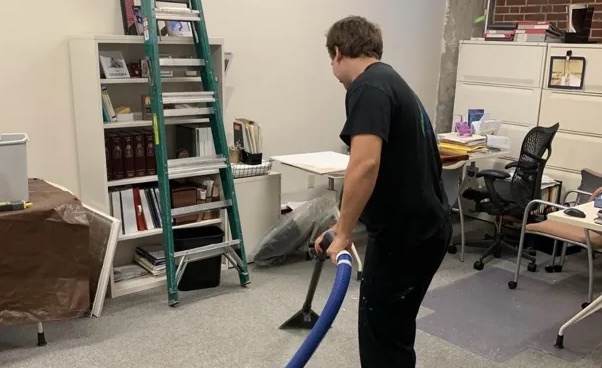
Extractors pull water from carpet, underlayment and the joints of hard floors to limit swelling and staining.
Step 3: Structural Drying Phase
High-velocity air movers force evaporation, while dehumidifiers capture the released moisture. This combination ensures thorough drying of the floor assembly.
Step 4: Final Verification and Cleanup
Before completion, moisture readings are taken to verify all materials are within dry standards. The area is then cleaned and sanitized.
Common Causes of Floor Water Damage in Tampa
Plumbing Line Failures
Burst supply lines, cracked drain pipes and failed fittings under sinks and toilets often send a lot of water across a floor before anyone notices.
Sprinkler System Accidents
A lawn sprinkler aimed at the house or an interior fire sprinkler discharge can put a lot of water on a floor fast.
Foundation Cracks and Seepage
Groundwater pushed up through cracks in a slab keeps the floor covering damp from below, even when nothing is leaking inside.
Overflowing Sinks or Tubs
A bathroom or kitchen overflow can send water across the floor and down through seams into the subfloor.
Residential and Commercial Floor Water Damage Restoration in Tampa
Residential Floor Water Damage Restoration
Extraction experts use powerful truck-mounted units to remove water, then lift carpets for underlayment drying, a key step in preventing odors and preserving the homeowner's investment.
Commercial Floor Water Damage Restoration
The process involves careful removal of planks, drying of the substrate, and replacement with the same materials so the floor looks uniform.
Floor Water Damage Restoration vs. DIY: When to Call the Pros
Use a wet-dry vacuum for minor spills on surfaces. Increase ventilation with open windows and fans. Monitor for dampness or odors over 24 hours. A spongy floor or musty smell means moisture has gone deeper and needs professional extraction.
Factors Affecting Floor Water Damage Restoration Cost in Tampa
The cost for floor water damage restoration in Tampa depends on materials and moisture scope. Extent of damage, subfloor condition, and drying time influence the investment.
Extent of Saturation
The wet area and how deep the water went decide how many air movers and dehumidifiers are needed and for how many days.
Subfloor Damage Presence
A wet subfloor that has swelled or softened may need plywood replaced, which adds to the scope and the cost.
Emergency Service Timing
Night and weekend calls for water extraction may carry after-hours rates for the first visit.
Does Insurance Cover Floor Water Damage Restoration?
Property owners should contact them promptly to report damage and understand the deductible. The specialists provide precise documentation, but policy interpretation belongs to the insurer.
Benefits of Local Pros for Floor Water Damage Restoration in Tampa
24/7 Emergency Response
Help is available around the clock, which matters because floors keep soaking up water until it is removed.
Detailed Damage Documentation
Photo logs and moisture readings create a clear record for your files and any insurance claim.
Material-Specific Expertise
Hardwood, laminate, tile and vinyl react to water differently, so each gets its own drying approach.
Emergency Floor Water Damage Restoration Response in Tampa
Immediate action is required for floor water damage to prevent warping, mold, and subfloor rot. For 24/7 emergency floor water removal in Tampa, contact the specialists directly at (727) 308-5518.
Call Now (727) 308-5518Local Floor Water Damage Restoration Coverage for Tampa
The specialists serve Tampa and the broader region, including Progress Village, Temple Terrace and Carrollwood, with focused techniques for each unique flooring situation.
- Floor Water Damage Restoration in Progress Village
- Floor Water Damage Restoration in Temple Terrace
- Floor Water Damage Restoration in Carrollwood
- Floor Water Damage Restoration in Gibsonton
- Floor Water Damage Restoration in Town 'n' Country
- Floor Water Damage Restoration in Seffner
- Floor Water Damage Restoration in Citrus Park
- Floor Water Damage Restoration in Mango
- Emergency Damage Restoration in 33602
- Storm Damage Restoration in 33602
- Water Damage Restoration in 33602
- Water Extraction Service in 33602
- Water Leak Detection in 33602
- Water Removal Service in 33602
- Emergency Damage Restoration in 33603
- Storm Damage Restoration in 33603
Floor Water Damage Restoration FAQs
How do professionals handle tile floor water damage restoration?
Tile does not absorb water, but grout and underlayment do. Pros extract water from under tiles, dry the substrate and often regrout.
What is included in subfloor water damage repair?
Pros remove the surface flooring, cut out and replace rotted plywood or OSB, and treat nearby wood before the floor goes back down.
How does the water source affect floor water damage cleanup?
Clean water needs standard drying. Gray or contaminated water also needs antimicrobial treatment and may mean discarding porous flooring.
What is involved in the floor water damage restoration process?
It starts with water extraction, then moisture mapping, drying with air movers and dehumidifiers, and monitoring until the floor is dry.
Why is emergency floor water removal so time-sensitive?
Standing water quickly wicks into subfloors and walls, causing swelling, mold growth within 24-48 hours, and permanent damage to flooring materials.