St. Petersburg, FL · Pinellas County
HVAC Water Leak Cleanup in St. Petersburg, FLAC Condensate Leak Water Removal & HVAC Drain Line Flood Cleanup
HVAC Water Leak Cleanup in St. Petersburg covers HVAC cabinet water extraction, emergency HVAC leak cleanup, and wet insulation removal near HVAC.
Answered 24/7
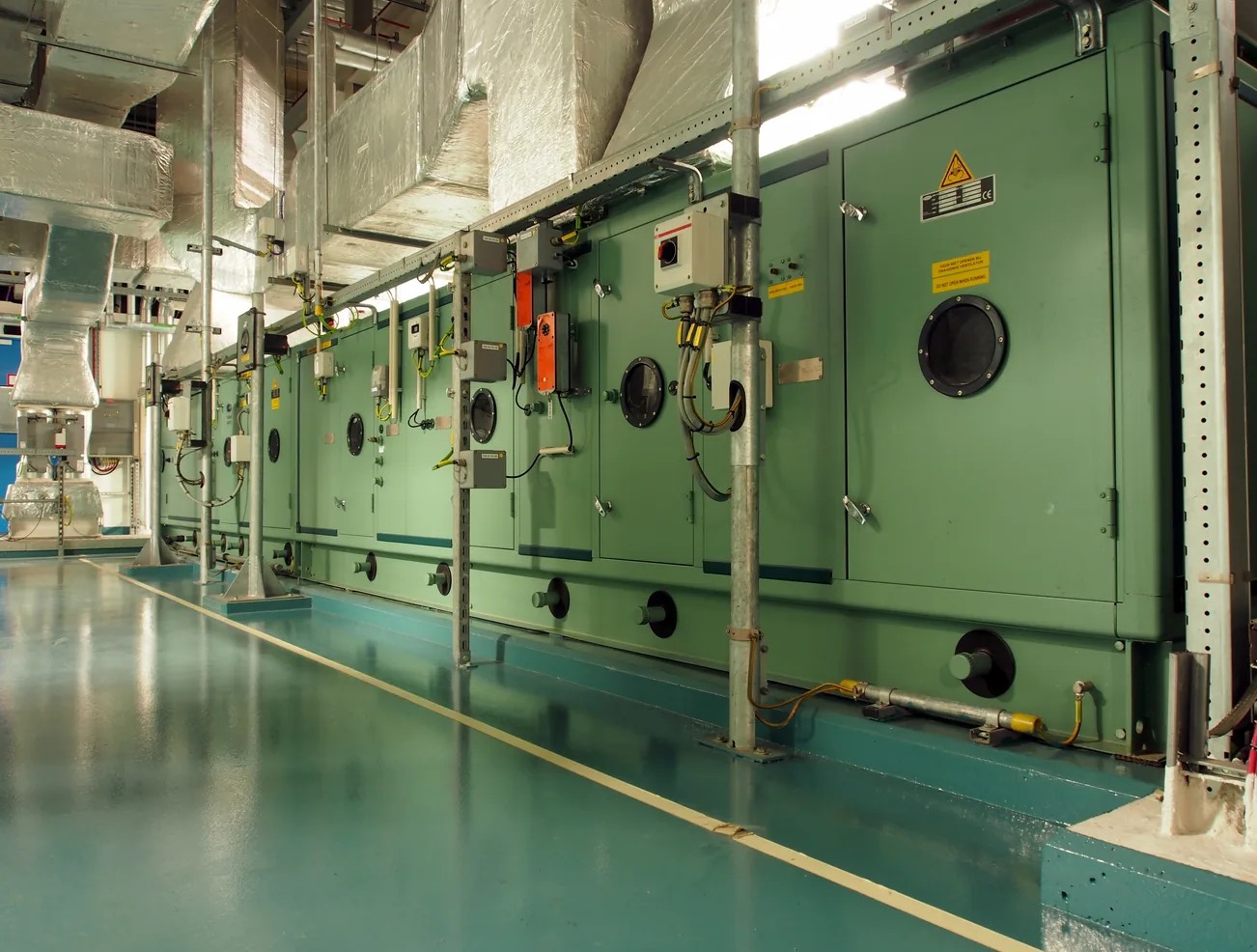
HVAC Leak Water Removal Services for St. Petersburg Residents
An HVAC leak in St. Petersburg rarely stays at the unit. Water runs out of the pan, across the closet floor and under walls, and attic units drip straight through the ceiling below.
When an HVAC leak occurs in St. Petersburg, water needs to come out quickly to protect interior finishes and electrical systems. Local water removal pros serve this community and nearby areas like Gulfport, South Pasadena and Pinellas Park, extracting water around the unit and drying wet ductwork before damage spreads.
HVAC Leak Water Removal Services in St. Petersburg
AC Condensate Leak Water Removal
A failing condensate pump or disconnected line can flood a mechanical closet. This requires urgent HVAC leak water removal.
HVAC Drain Line Flood Cleanup
A completely blocked primary condensate drain line can overflow the secondary pan. Cleanup requires extracting the spilled water and clearing the line.
Ductwork Condensation Water Removal
Wet, sagging insulation around ducts signals a condensation problem. Cleanup involves water extraction and drying of duct surfaces and insulation.
Wet Insulation Removal Near HVAC
Fiberglass insulation soaked by an HVAC leak becomes heavy and ineffective. Experts carefully remove this material to access hidden moisture.
Moisture Remediation for HVAC Systems
After the water is out, the air in the room is still damp. Dehumidifiers run until humidity is back to normal, which lowers the risk of mold.
Signs You Require HVAC Leak Water Removal in St. Petersburg
High Indoor Humidity Levels
A home feeling persistently muggy can mean the HVAC system is not properly removing airborne moisture.
Musty Odors Near Air Vents
A musty smell when the system runs can point to wet insulation or mold inside the unit or ducts.
Wet or Sagging Insulation Nearby
Damp insulation around an attic unit or in nearby walls holds water against the drywall and framing.
AC Drain Line Overflowing
Water spilling from the condensate drain line or its overflow port means the drain is blocked and needs attention now.
How HVAC Water Leak Cleanup Works in St. Petersburg
Step 1: 24/7 Emergency Leak Response
The pros make the area safe, find where the leak started and start removing water.
Step 2: Condensation Leak Repair Focus
The cause, such as a clogged drain line or failed pump, is identified so it can be fixed and the leak does not return.
Step 3: Comprehensive Moisture Remediation
All wet materials are dried, including the hard-to-reach spaces inside walls and ceiling cavities.
Step 4: System Restoration and Testing
Readings confirm the area is dry, and the system can be restarted once the HVAC repair is done.
Frequent Sources of HVAC Leak Water Damage in St. Petersburg
High Static Pressure in Ducts
An oversized system or closed vents can upset airflow and drainage, so condensate does not drain as it should.
Improper HVAC System Slope
An air handler or drain line installed without correct pitch prevents gravity-driven water flow to the drain.
Worn Gaskets or Seal Failures
Worn seals around access panels or coil sections let water escape the cabinet instead of reaching the pan.
Refrigerant Leak at the Coil
A pinhole leak in the evaporator coil itself can allow refrigerant and moisture to escape simultaneously.
Commercial and Residential HVAC Leak Water Removal in St. Petersburg
Residential HVAC Water Leak Cleanup
In homes, an AC condensate leak can rot subfloor and baseboards if it is left. The pros dry the tight spaces around the unit and record the damage for insurance.
Commercial HVAC Water Leak Cleanup
A flooded HVAC unit in a commercial building needs a coordinated response. The pros manage large-volume extraction, coordinate with facility managers, and implement drying protocols.
HVAC Leak Water Removal: DIY or Call Water Damage Pros in St. Petersburg
If a condensate pump is involved, check that it is plugged in and listen for operation. Ensure the discharge tube is not kinked. Do not disassemble the pump. For a leaking AC unit repair involving the coil or refrigerant, specialized training is required.
Understanding HVAC Leak Water Removal Costs in St. Petersburg
For AC water damage, the number of drying days and the number of air movers and dehumidifiers drive most of the cost. HVAC repairs are billed separately.
Affected Components and Materials
Wet insulation, damaged ductwork or wiring near the flooded unit each add work to the job.
Leak Source and Severity
Whether the leak came from a drain line, the coil or the pan changes how much water there is and where it went.
Drying Time and Equipment
The number of days ducts and materials take to dry decides how long the dehumidifiers run.
Does Insurance Cover HVAC Water Leak Cleanup?
Flooded HVAC unit cleanup may be covered if the water source is a covered peril in your policy, such as overflow from an appliance. The pros provide photos and readings for your insurance claim.
Why Choose Local Pros for HVAC Leak Water Removal in St. Petersburg
Comprehensive Leak Source Identification
The pros trace the water to the drain line, coil or pan, so the right trade can fix the cause.
Containment and Air Filtration
The work area can be closed off so dust and moist air do not spread while wet materials are removed.
Focused on System Integrity
The goal is a dry unit area and dry materials around it, so the system can run safely again.
24/7 Emergency HVAC Leak Water Removal in St. Petersburg
HVAC drain line floods need immediate attention to stop water damage. For HVAC leak cleanup and moisture remediation, contact the experts at (727) 308-5518.
Call Now (727) 308-5518HVAC Water Leak Cleanup Locations Near St. Petersburg
In St. Petersburg and nearby Gulfport, South Pasadena and Pinellas Park, the pros handle water from HVAC cabinets, drain lines and wet insulation around the unit.
HVAC Leak Water Removal Common Questions
Does HVAC leak water removal prevent mold?
Fast extraction and drying lower the risk a lot. Materials that stay wet longer than a day or two can start to grow mold.
Why is quick action critical for a flooded HVAC unit?
Water can damage the unit's wiring, rust metal parts and soak into walls and floors, which makes repairs larger and more expensive.
What are signs of a leaking AC unit indoors?
Water around the indoor unit, stains on nearby walls or ceilings, a musty smell, or the system shutting off because its float switch tripped.
What documentation do pros provide for insurance?
The pros take photos and moisture readings and keep a drying log of the cleanup that you can send to your insurer.
What happens during coil leak water damage repair?
The pros remove the water and dry the coil area. The coil itself is serviced or replaced by an HVAC contractor to stop the leak.