Tampa, FL · Hillsborough County
Hydrostatic Pressure Water Removal in Tampa, FLSlab Leak Water Removal & Slab Seepage Water Removal
Hydrostatic Pressure Water Removal in Tampa covers groundwater intrusion mitigation, wet subfloor removal and crawl space water extraction.
Answered 24/7
Addressing Hydrostatic Pressure Water Damage in Tampa
Wet subfloor after a groundwater flood can ruin flooring and weaken joists. The moisture wicks up into walls, so the damage is often bigger than the flooded area.
Specialized Hydrostatic Pressure Water Removal for Tampa
Slab Leak Water Removal
Water pooling on a concrete slab often indicates a plumbing leak or hydrostatic pressure forcing moisture upward.
Slab Seepage Water Removal
Groundwater pushed up through a concrete slab can leave damp spots or a thin sheet of water. It is extracted and the slab and flooring are dried.
Structural Drying After Intrusion
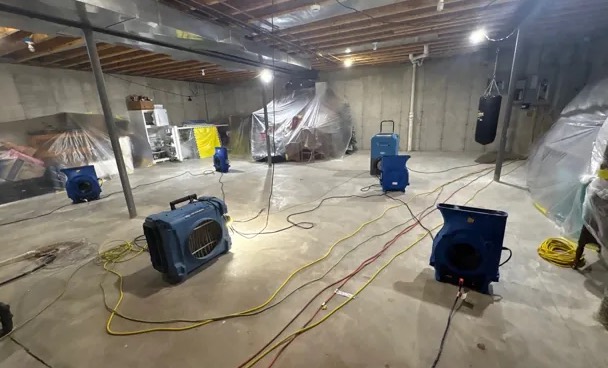
After water is pushed inside, air movers and dehumidifiers dry the wood, concrete and drywall it reached so rot and mold do not start.
Wet Subfloor Removal
Subfloor that stayed soaked after a groundwater flood may have to be removed. The water is extracted, the damaged sections cut out and the area dried for new material.
Groundwater Intrusion Mitigation
Dealing with groundwater means removing what got in and drying the space. The pros also point out grading or drainage problems outside that a contractor can fix.
Symptoms That Require Hydrostatic Pressure Water Removal
Mold on Baseboards
Mold along baseboards or lower walls points to ongoing moisture coming through the foundation.
Warped or Buckling Flooring
Flooring that warps or buckles near walls can mean water is coming up from below and the subfloor is wet.
Efflorescence on Concrete Surfaces
White, chalky deposits on foundation walls or the slab show water has been pushing through the concrete.
Gurgling Sounds From Floor Drains
Gurgling floor drains during heavy rain can mean water pressure is building in the drain lines around the house.
How Hydrostatic Pressure Water Removal Works in Tampa
Step 1: Source Containment and Control
Where possible, the water source is controlled first, such as redirecting downspouts or stopping a plumbing leak.
Step 2: Crawl Space Water Extraction
Equipment made for tight spaces extracts water from the crawl space so the framing can start drying.
Step 3: Affected Material Removal
Wet insulation and subflooring that cannot be dried are removed and hauled away.
Step 4: Dehumidification and Air Scrubbing
Dehumidifiers and air scrubbers bring humidity down and clear the musty air until the space is dry.
Sources Requiring Hydrostatic Pressure Water Removal
Foundation Settlement and Cracks
As a foundation settles, cracks form and give groundwater a direct path inside.
Soil Expansion and Contraction
Clay soil swells when wet, adding pressure on foundation walls and opening paths for water.
Plumbing Leaks Under the Slab
A broken water line under the slab keeps feeding water up through the floor.
Clogged or Collapsed Footing Drains
When perimeter drains clog or fail, water has nowhere to go and presses against the walls and slab.
Hydrostatic Pressure Water Removal Services for All Properties in Tampa
Residential Hydrostatic Pressure Water Removal
In homes, water through the foundation can reach framing and wiring in the lower level. Local hydrostatic pressure experts remove the water and dry the structure, and a foundation contractor handles any cracks.
Commercial Hydrostatic Pressure Water Removal
Warehouses and plants on slab floors can take on water from below. Industrial equipment removes it and dries the large floor area so work can resume.
Why Hydrostatic Pressure Water Removal Requires Local Pros in Tampa
If a plumbing leak may be adding to the water, shut off the main valve. Finding where groundwater enters and drying the structure takes meters and drying equipment.
Budgeting for Hydrostatic Pressure Water Removal in Tampa
In Tampa, the price depends on the size of the wet area, how deep the water got and how many days of drying the structure needs.
Required Drying Time
The number of days the structure takes to dry is a large part of the cost.
Affected Area Size
Larger flooded areas or large wet subfloors need more equipment and more days of drying.
Intrusion Severity
How deep the water is and how much keeps coming in decide how long extraction takes.
Does Insurance Cover Hydrostatic Pressure Water Removal?
Coverage for structural drying depends on your policy's limits and exclusions. Local hydrostatic pressure experts provide moisture maps and drying logs, so check the details with your agent.
Benefits of Local Pros for Hydrostatic Pressure Issues
Focused Mitigation Planning
You get notes on where water came in, so you can plan drainage work with a contractor.
Targeted Groundwater Extraction
Equipment made for tight spaces removes water from crawl spaces and around slabs.
Structural Damage Assessment
The pros check where water came in and which materials it reached before drying starts.
Emergency Hydrostatic Pressure Water Removal in Tampa
If water is coming through foundation cracks or up through the slab, call (727) 308-5518 for 24/7 help in Tampa. Removing it early keeps the damage smaller.
Call Now (727) 308-5518Hydrostatic Pressure Water Removal Coverage Around Tampa
Homeowners in Tampa and nearby Progress Village, Temple Terrace and Carrollwood can get help with flooded lower levels and wet subfloors.
- Hydrostatic Pressure Water Removal in Progress Village
- Hydrostatic Pressure Water Removal in Temple Terrace
- Hydrostatic Pressure Water Removal in Carrollwood
- Hydrostatic Pressure Water Removal in Gibsonton
- Hydrostatic Pressure Water Removal in Town 'n' Country
- Hydrostatic Pressure Water Removal in Seffner
- Hydrostatic Pressure Water Removal in Citrus Park
- Hydrostatic Pressure Water Removal in Mango
- Emergency Damage Restoration in 33602
- Storm Damage Restoration in 33602
- Water Damage Restoration in 33602
- Water Extraction Service in 33602
- Water Leak Detection in 33602
- Water Removal Service in 33602
- Emergency Damage Restoration in 33603
- Storm Damage Restoration in 33603
Hydrostatic Pressure Water Removal in Tampa: Your Questions
Why is subfloor drying services important after flooding?
Drying the subfloor keeps it from rotting and growing mold, which protects the floor system above it.
What is included in structural water damage restoration?
Water extraction, drying, cleaning and replacing materials that groundwater or flood water damaged beyond drying.
What is structural drying after intrusion?
It is drying the concrete, wood and other building materials after groundwater or flood water gets inside.
What causes foundation crack water infiltration?
Usually water pressure from soaked soil, or settlement cracks that give groundwater a path into the building.
How does foundation water removal work?
Standing water is extracted, the structure is dried with dehumidifiers and air movers, and the place where water came in is noted.