St. Pete Beach, FL · Pinellas County
Water Damage Repair in St. Pete Beach, FLCeiling Leak Water Cleanup & Pipe Burst Cleanup Service
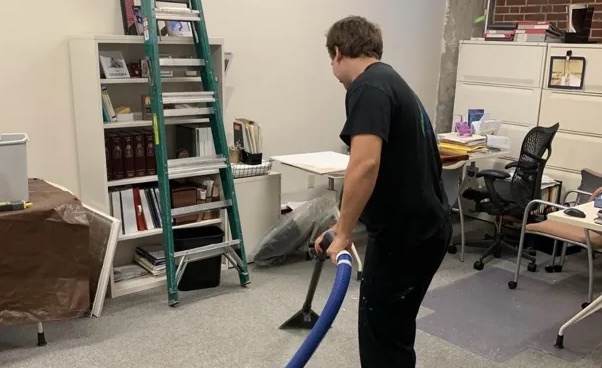
Water Damage Repair in St. Pete Beach includes emergency water extraction, wet drywall removal and carpet water extraction.
Answered 24/7
Water Damage Repair Response in St. Pete Beach
Properties in St. Pete Beach face significant risks from water damage that can undermine structural foundations and encourage pest infiltration over time.
In St. Pete Beach and nearby South Pasadena, Tierra Verde and Gulfport, plumbing failures and storms can cause water damage. Local water damage pros extract water, remove wet drywall and dry the property.
Detailed Water Damage Repair Process in St. Pete Beach
Ceiling Leak Water Cleanup
A leak saturates ceiling drywall. The experts contain the drip, remove water, and set up air movers to draw out moisture from below.
Pipe Burst Cleanup Service
Pipe failures create high-pressure discharge. The specialists provide cleanup from the source to all impacted zones, preventing wood rot or mold.
Water Damaged Floor Repair
Flooring materials react differently to water. The specialists handle drying salvageable hardwood or removing soaked carpet to restore a safe surface.
Carpet Water Extraction
Surface drying alone fails to remove water trapped deep in the carpet system. Powerful extraction tools lift moisture from the full depth.
Mold Remediation After Water
Hidden water damage often leads to mold. Pros remove moldy materials, HEPA vacuum the area and dry it so the mold does not return.
Symptoms Requiring Water Damage Repair in St. Pete Beach
High Humidity in Rooms
A clammy feel in the air or condensation on windows can mean wet materials nearby are releasing moisture.
Warped or Buckled Flooring
Wood floors or laminate that cups, buckles, or lifts shows water intrusion.
Visible Water Pools
Standing water in rooms or on floors indicates water damage and requires immediate attention.
Swollen Wood or Cabinets
Doors, window frames, or cabinets that stick or swell are water damaged.
How Water Damage Repair Works in St. Pete Beach
Step 1: Emergency Water Extraction
The pros begin by removing standing water with industrial pumps and vacuums to stop spreading.
Step 2: Moisture Mapping and Detection
Using moisture meters and thermal imaging, experts map all affected areas, including hidden moisture behind walls and under floors.
Step 3: Structural Drying and Dehumidification
High-speed air movers and commercial dehumidifiers are placed to dry the structure thoroughly, a core part of water damage restoration.
Step 4: Final Verification and Documentation
Pros verify dryness with meters, document the process with photos and readings, and provide a report for your insurance review.
Frequent Sources of Water Issues in St. Pete Beach
Sewage Backup or Drain Clogs
A main line blockage can push contaminated water back up through floor drains.
Bathroom Fixture Leaks
Leaking toilets, showers, or sinks often cause slow, hidden water damage behind tiles and walls.
Appliance Malfunctions and Leaks
Water heaters, washing machines and dishwashers can fail and flood the floor around them.
HVAC System Condensation Issues
Faulty condensate drains or leaking air handlers can drip water inside walls and ceilings.
Both Home and Business Water Damage Repair in St. Pete Beach
Residential Water Damage Repair
At home, water from a burst pipe or appliance leak spreads fast. The experts remove it from floors and carpet and dry the rooms.
Commercial Water Damage Repair
Office buildings, retail spaces, and warehouses need pipe burst cleanup service. The specialists document all damage thoroughly to support your business insurance claim process.
Water Damage Repair vs. DIY: When to Call Moisture Removal Specialists
If you discover a leak, you can take photos for your own records before any cleanup begins. For assessing the full extent of damage and moisture levels, rely on the pros.
Factors Affecting Water Damage Repair Cost in St. Pete Beach
Emergency service timing can influence restoration costs. 24/7 help to halt spreading damage typically begins with water extraction and mitigation steps.
Mold Remediation Needs
If mold has started, the work grows to include containment, air filtration and extra cleaning, which adds cost.
Affected Materials
Porous materials like drywall, carpet, and insulation often require removal, adding demolition and disposal costs.
Water Damage Extent
The square footage soaked and depth of saturation dictate equipment needs and labor hours.
Does Insurance Cover Water Damage Repair?
Whether insurance covers services like emergency water extraction hinges on your policy language and the damage origin. Accidental discharge from a plumbing system is a common covered scenario. Documentation from the pros, including moisture maps and drying logs, supports your claim.
Benefits of Local Water Damage Repair Pros in St. Pete Beach
Clear Communication
Pros explain what they find, what they are doing and what comes next throughout the job.
Containment for Affected Areas
When needed, plastic sheeting isolates work zones. This helps contain dust and debris during wet material removal and drying operations.
Structured Drying Process
A setup of air movers and dehumidifiers is calculated for the space. This creates an efficient drying environment for walls, floors, and contents.
24/7 Emergency Water Damage Repair in St. Pete Beach
Soaked carpet needs extraction to save it and the pad. Call (727) 308-5518 any time. Waiting can lead to stains, odor and subfloor damage.
Call Now (727) 308-5518Water Damage Repair Near St. Pete Beach: Areas Served
Professional water damage repair is a critical need for property owners in St. Pete Beach and nearby areas like South Pasadena, Tierra Verde and Gulfport following plumbing failures or storms.
Your Water Damage Repair Questions Addressed
What are moisture control services?
These services focus on reducing humidity and drying structures after water intrusion. They involve using dehumidifiers and air movers to achieve specific dryness standards, helping to stabilize the environment.
What equipment is used for emergency water removal?
Industrial submersible pumps, truck-mounted or portable extractors, and wet/dry vacuums are used for water removal. These are followed by air movers and dehumidifiers for the structural drying phase.
Why is leak detection part of water damage restoration?
Finding and stopping the ongoing water source is critical to prevent continued damage. Specialists may use inspection tools to locate hidden leaks in plumbing or behind walls before drying begins.
What is mold remediation after water damage?
If mold develops from unresolved moisture, remediation involves containment, removal of contaminated materials, and air scrubbing.
Does water damage always lead to mold growth?
Not always, but mold can begin growing within 24-48 hours in damp conditions. Rapid and complete drying is the primary method to help prevent mold after a water damage incident.