
Trusted by 170+ Homeowners
How Do Pros Repair Water Damage Behind A Bathroom Wall?
- Over 170 5-Star Reviews
- Free Estimates and Quotes
- 100% Satisfaction Guaranteed
- Child, Family & Pet Safe Steps
- 24-Hour Emergency Service
- Fully Licensed & Insured

Pros repair water damage behind a bathroom wall by identifying the source, drying affected materials, and replacing damaged components.
This process often involves cutting into the wall to access the moisture, ensuring complete drying to prevent mold and structural issues.
TL;DR:
- Water damage behind bathroom walls needs professional attention to prevent mold and structural decay.
- Pros locate the water source, often from leaks in plumbing or fixtures.
- They carefully remove damaged drywall and insulation.
- Thorough drying using specialized equipment is essential.
- Repairs involve sealing the leak, replacing materials, and restoring the wall.
How Do Pros Repair Water Damage Behind a Bathroom Wall?
Discovering water damage behind your bathroom wall can be unsettling. It often starts subtly, maybe a discolored spot or a musty smell. But what happens when the professionals get involved? How do they tackle this hidden problem? We found that the process is systematic and thorough.
Pros repair water damage behind a bathroom wall using a multi-step approach. It begins with pinpointing the exact source of the leak. This could be a compromised pipe, a faulty seal around a fixture, or even an issue with the shower itself. Without finding the root cause, any repair is just a temporary fix.
Identifying the Source: The First Crucial Step
Before any cutting or drying begins, experts use tools to find where the water is coming from. They might use moisture meters to map out the wet areas. Sometimes, thermal imaging cameras help detect temperature differences caused by moisture. This detective work is key to a lasting repair.
Understanding the origin helps prevent future problems. For instance, we found that issues like what causes water damage under a bathroom vanity can spread unseen. Identifying the source is the first step to addressing potential problems like why does my bathroom have water damage behind tiles.
Assessing the Extent of Damage
Once the leak is found, the next step is to figure out how far the water has spread. This often means carefully opening up the wall. They need to see the full picture of what’s wet, what’s damaged, and what’s at risk.
This assessment helps determine the scope of the work. It tells them how much material needs to be removed and replaced. It also helps estimate the drying time needed. Ignoring the full extent can lead to bigger problems down the line, like why does my bathroom ceiling have water stains.
Visible vs. Hidden Damage
What you see on the surface is often just the tip of the iceberg. Water can travel through studs and insulation, creating a much larger wet zone than initially apparent. This is why professional assessment is so important.
We found that damage can spread rapidly. What looks like a small issue might be contributing to significant why is my bathroom floor spongy near the shower.
The Drying Process: Essential for Prevention
Drying is perhaps the most critical phase. Simply fixing the leak isn’t enough. All the moisture trapped behind the wall must be removed. If it’s not, mold can start to grow very quickly. This is a serious health concern.
Pros use specialized equipment for this. Industrial-grade dehumidifiers and air movers are deployed. These machines work tirelessly to pull moisture out of the air and materials. They create airflow to speed up evaporation.
Why Professional Drying Matters
Using fans and opening windows might seem like a good idea. However, it’s often not enough for the deep-seated moisture found in wall cavities. Professional equipment can reach lower humidity levels and dry materials much faster.
This rapid drying helps prevent further damage. It also significantly reduces the risk of why is there mold on my bathroom ceiling. We found that prompt drying can save building materials from being completely ruined.
Monitoring Moisture Levels
Throughout the drying process, technicians monitor the moisture content. They use moisture meters to track progress. This ensures that the area is drying evenly and completely. They won’t stop until the materials are back to their normal moisture levels.
This careful monitoring is key to preventing secondary damage. It ensures that the area is safe for reconstruction. It’s about making sure the problem is truly solved.
Repairing and Restoring the Wall
Once the area is confirmed dry, the repair work can begin. This involves replacing any materials that were removed or damaged.
This typically includes drywall, insulation, and sometimes even parts of the framing if they’ve been compromised. The goal is to restore the wall to its original condition, or better.
Replacing Damaged Materials
Professionals will cut out and remove all compromised drywall. They’ll then install new drywall. They also replace any insulation that was wet and can’t be effectively dried and sanitized.
Care is taken to match textures and finishes. This ensures a seamless repair. The goal is for the wall to look as if the damage never happened.
Sealing and Finishing
After the new materials are in place, the wall is taped, mudded, and sanded. Finally, it’s primed and painted. If there were any issues with mold, it’s treated and remediated before new materials are installed.
This meticulous process ensures not only a visually repaired wall but also a structurally sound and healthy environment. It’s about restoring your peace of mind.
Preventing Future Issues
Part of the professional repair process includes advising you on how to prevent future water damage. This might involve recommending better ventilation, regular maintenance of plumbing, or sealing grout and caulk.
Addressing potential weak spots can save you a lot of trouble later. It’s a smart investment in your home’s health.
A Checklist for Water Damage Repair
Here’s a quick rundown of what professionals typically do:
- Locate and stop the water source.
- Assess the full extent of water damage.
- Open walls to access affected areas.
- Remove damaged drywall, insulation, and other materials.
- Dry the structure thoroughly with specialized equipment.
- Monitor moisture levels until dry.
- Replace damaged materials and rebuild the wall.
- Finish and paint the repaired area.
This structured approach ensures all aspects of the water damage are addressed. It’s about more than just patching a hole; it’s about restoring your bathroom’s integrity.
| Damage Type | Potential Causes | Professional Solution |
|---|---|---|
| Hidden Wall Moisture | Leaking pipes, faulty shower seals, condensation | Leak detection, wall opening, drying, material replacement |
| Mold Growth | Persistent dampness, poor ventilation | Mold remediation, thorough drying, sealing |
| Structural Weakening | Prolonged exposure to moisture | Removal of compromised wood, reinforcement, replacement |
| Subfloor Damage | Water seeping through floor joints | Subfloor inspection, drying, replacement if necessary |
Conclusion
Repairing water damage behind a bathroom wall is a complex job. It requires specialized knowledge and equipment to do it right. Professionals at St Petersburg Rapid Cleanup understand the urgency and the potential long-term consequences of unchecked moisture. They follow a proven process to identify leaks, dry out affected areas completely, and restore your bathroom to its pre-damage condition. Addressing water damage promptly is key to preventing more serious issues like mold growth and structural decay, ensuring your home remains safe and healthy.
What are the first signs of water damage behind a bathroom wall?
Look for discolored patches on the wall or ceiling, peeling paint or wallpaper, a persistent musty odor, or soft or spongy spots on the wall surface. Any unusual dampness or staining warrants investigation.
Can I repair water damage behind a wall myself?
While minor surface issues might be DIY-friendly, water damage behind walls often involves hidden leaks, structural compromises, and potential mold growth. It’s usually best to call a professional to ensure the problem is fully resolved and prevent future issues.
How long does it take to repair water damage behind a bathroom wall?
The drying process alone can take several days, depending on the extent of the moisture and the equipment used. The subsequent repair and restoration work can add several more days to a week or more, depending on the complexity.
Will insurance cover water damage behind my bathroom wall?
Coverage depends on the cause of the water damage. Insurers typically cover sudden and accidental damage, like a burst pipe. Gradual damage from neglect, like a slow leak that wasn’t addressed, might not be covered. It’s best to check your policy and contact your insurance provider.
What are the health risks associated with water damage behind walls?
The primary health risk is mold growth. Mold can release spores into the air, which can cause respiratory problems, allergic reactions, and other health issues, especially for individuals with asthma or compromised immune systems. Undetected structural damage can also pose safety risks.
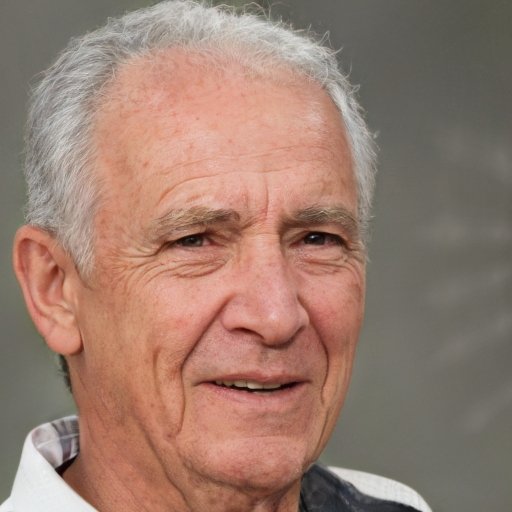
Lance Sarno is a licensed damage restoration expert with over 20 years of dedicated experience in property recovery. As a trusted authority in the industry, Lance leverages his extensive field knowledge to guide homeowners through complex restoration processes with precision and empathy.
𝗣𝗿𝗼𝗳𝗲𝘀𝘀𝗶𝗼𝗻𝗮𝗹 𝗘𝘅𝗽𝗲𝗿𝘁𝗶𝘀𝗲:
Lance’s career is built on technical excellence and high-stakes problem-solving. He specializes in mitigating property loss and ensuring structural integrity following catastrophic events.
𝗖𝗲𝗿𝘁𝗶𝗳𝗶𝗰𝗮𝘁𝗶𝗼𝗻𝘀:
He holds multiple elite IICRC certifications, including Water Damage Restoration (WRT), Mold Remediation, Applied Structural Drying (ASD), Odor Control, and Fire and Smoke Restoration (SRT).
𝗕𝗲𝘀𝘁 𝗣𝗮𝗿𝘁 𝗼𝗳 𝘁𝗵𝗲 𝗝𝗼𝗯:
Providing peace of mind. Lance finds true fulfillment in transforming a chaotic disaster back into a safe, comfortable home for his clients.
𝗙𝗮𝘃𝗼𝗿𝗶𝘁𝗲 𝗣𝗮𝘀𝘁𝗶𝗺𝗲:
When off-site, Lance enjoys hiking local trails and woodworking